
Last updated October 17, 2026
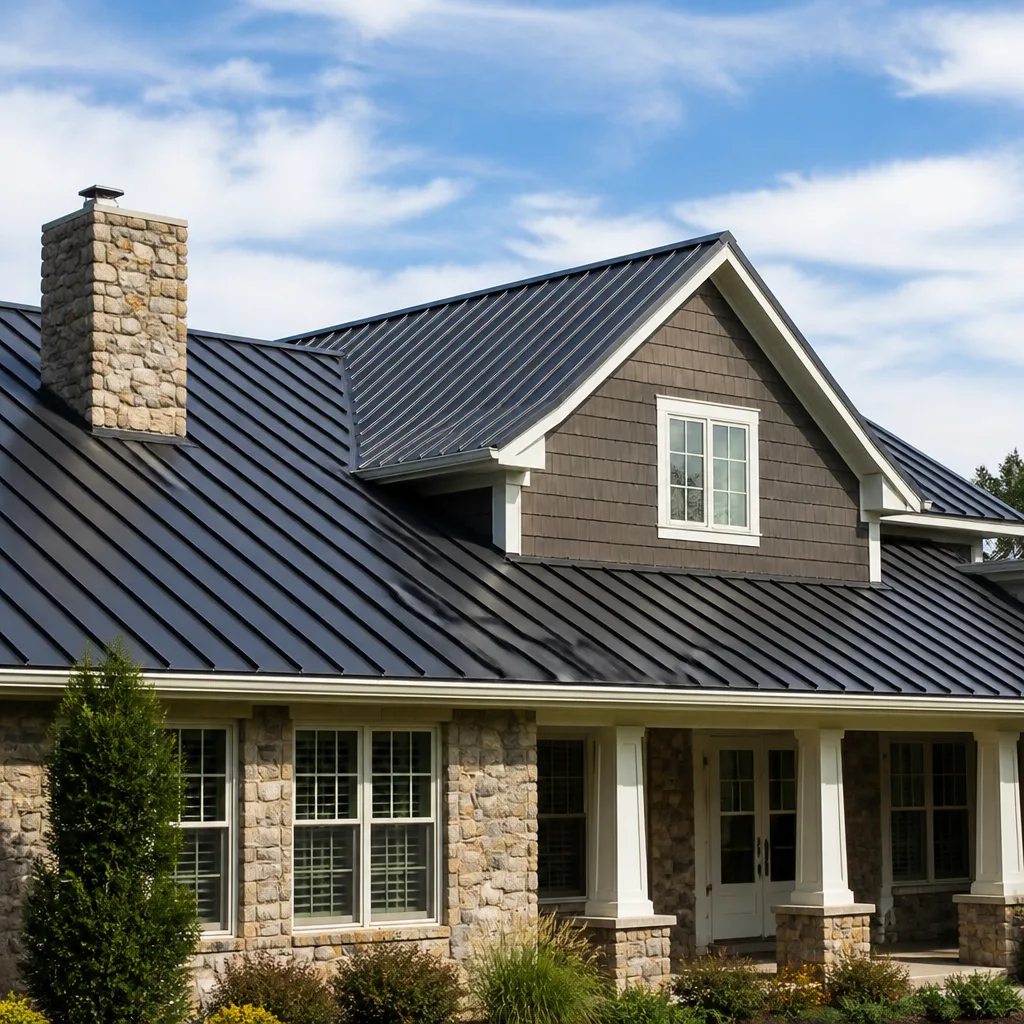 Metal roofing
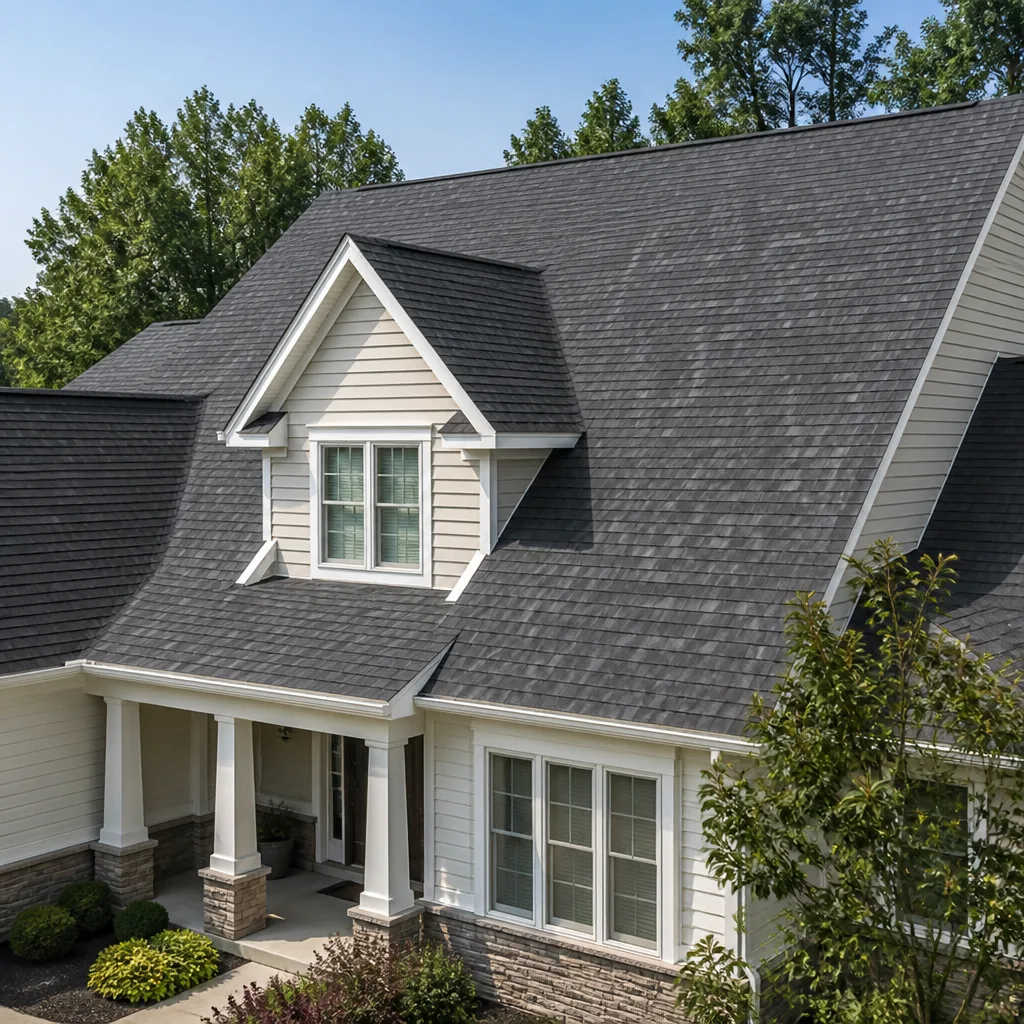 Architectural shingles
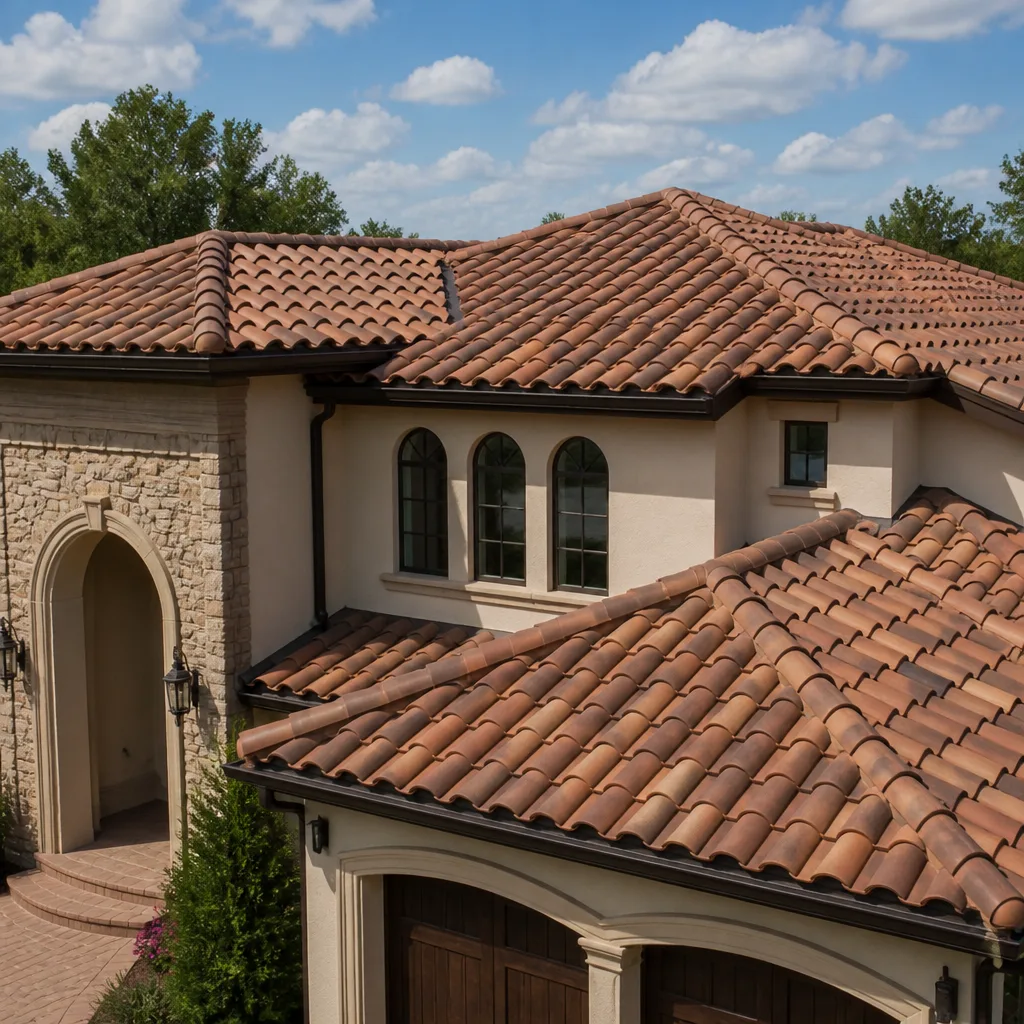 Tile roofing
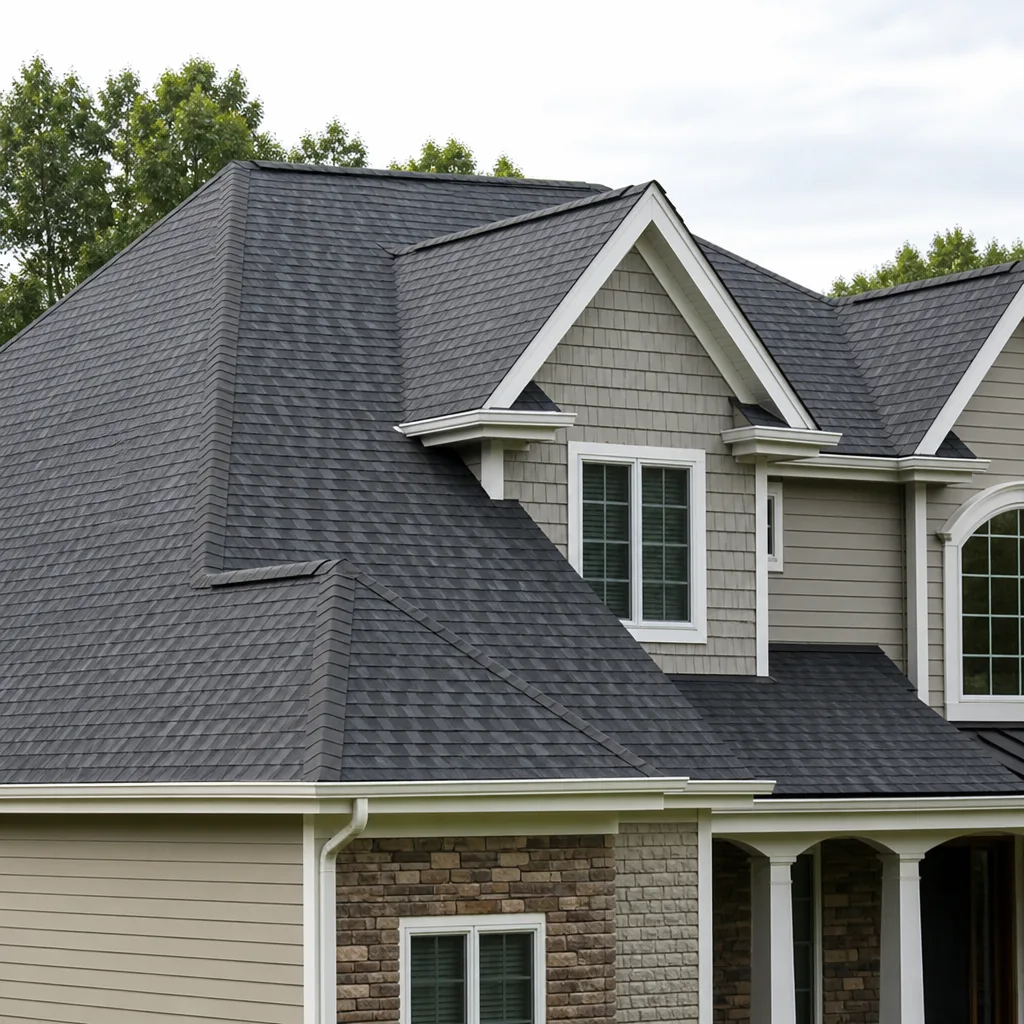 GAF
GAF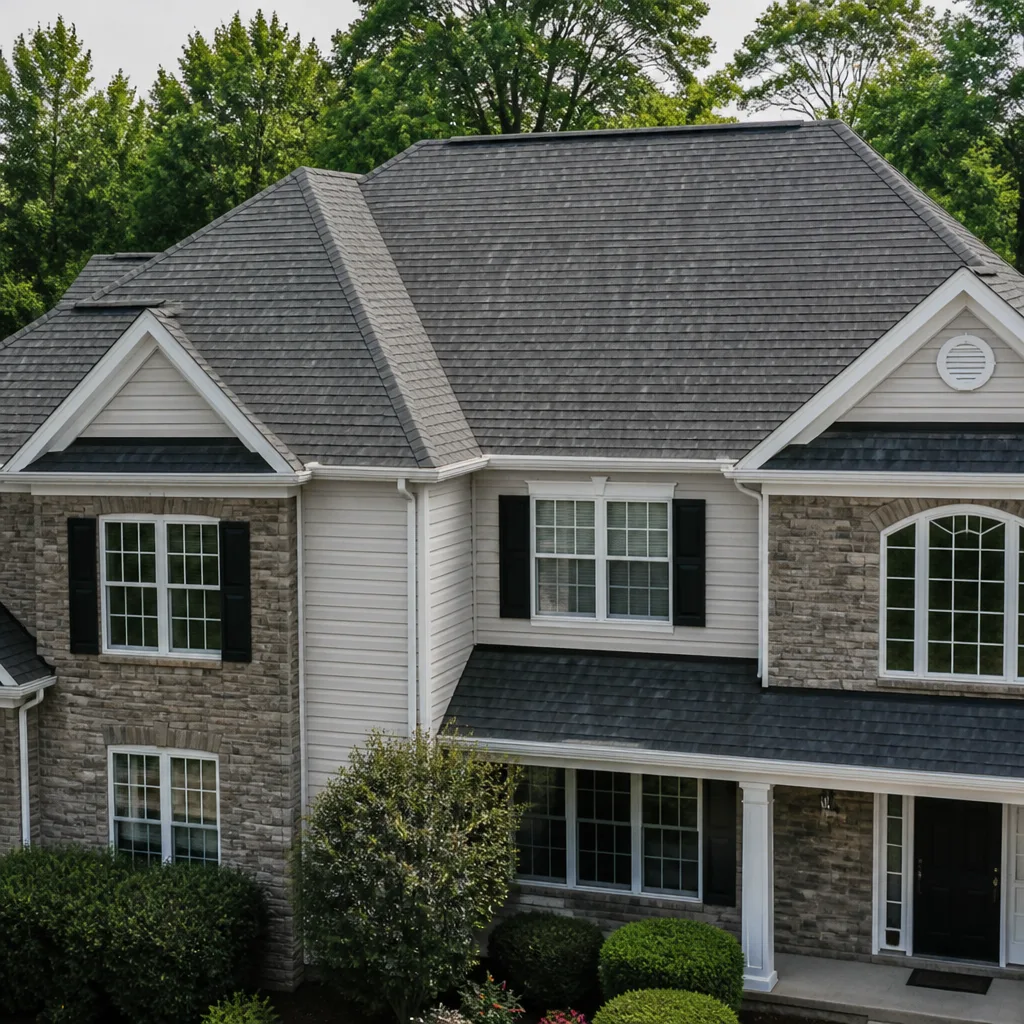 Owens Corning
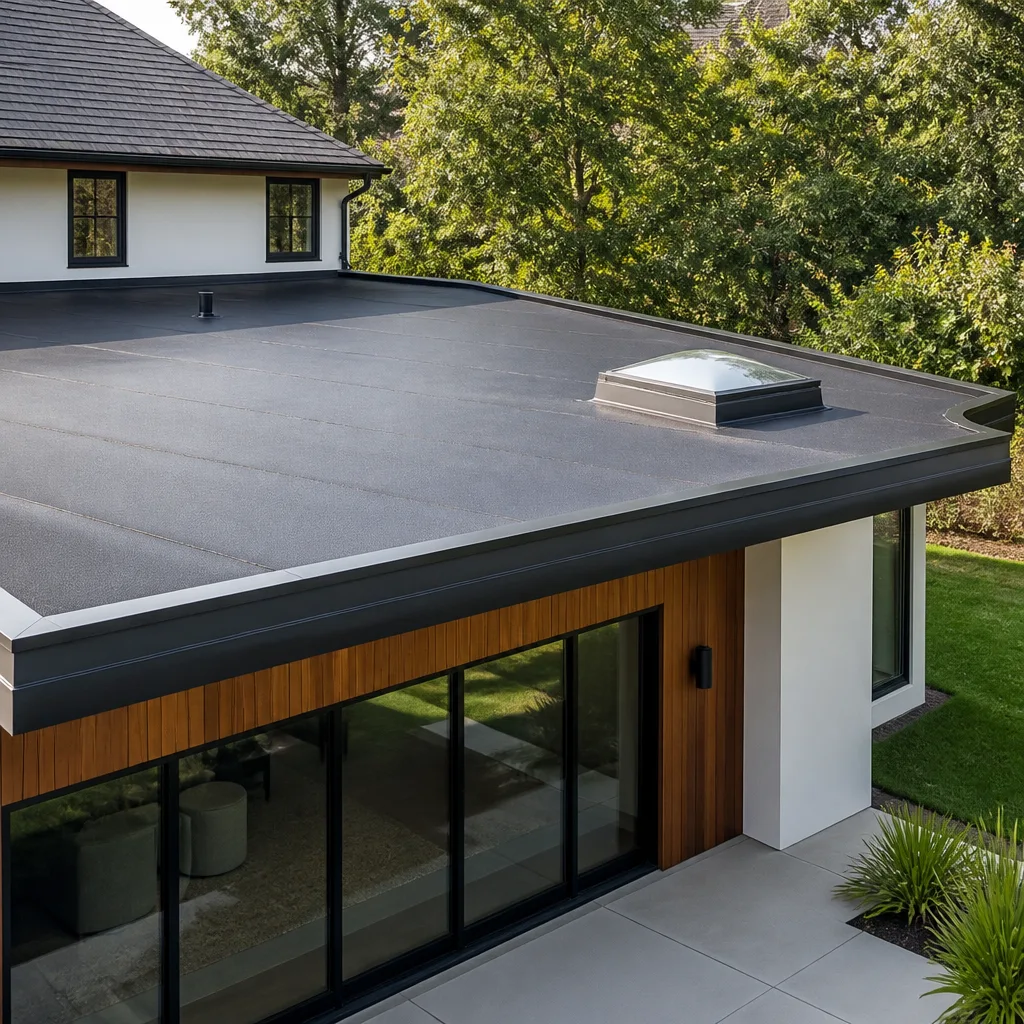 Flat & low-slope
Free roof inspection with deck photos before we talk money - GAF and Owens Corning certified installation
The Complete Guide to Roofing in Torrance
Torrance sits close enough to the Pacific that roofs here accumulate algae and salt corrosion at nearly twice the rate of homes 10 miles inland – a fact most national roofing guides never mention. That single difference changes everything: which shingles last, which underlayments hold up, what your warranty actually covers, and when the city makes you pull a permit. This guide explains Torrance roofing on Torrance terms, from the marine layer’s effect on decking to what a fair price looks like in the 90501, 90503, and 90505 ZIP codes. For more guides & resources, visit our blog. By the end, you’ll know exactly what your roof needs, what it should cost, and how to avoid paying for advice that belongs in Phoenix.
Quick Answer
Roofing in Torrance is defined by the coastal microclimate: persistent marine-layer moisture, salt-laden air, and seasonal Santa Ana winds. Homeowners here need moisture-resistant underlayment, algae-resistant shingles, corrosion-checked flashing, and ventilation systems built for damp coastal air – not the same materials you would install in Riverside. A full roof replacement in Torrance typically runs $11,000 to $28,000 depending on roof type and square footage, while targeted repairs run $350 to $1,800.
Styles & brands we work with
Table of Contents
- How the Marine Layer Actually Affects Your Torrance Roof
- The Three Roof Types You Find in Torrance Neighborhoods
- Torrance Permit Thresholds: When a Repair Becomes a Replacement
- Salt Air and Warranty Fine Print: What Manufacturers Won’t Tell You
- What Roofing Costs in Torrance: Real Numbers by Roof Type
- A Torrance Homeowner’s 12-Point Roof Inspection Checklist
- How to Choose a Roofing Company You Can Open the Door To
- Attic Ventilation for Coastal Air: What Works, What Rots
How the Marine Layer Actually Affects Your Torrance Roof
The marine layer is not just fog. It is a nightly deposit of condensed moisture that sits on roof surfaces for eight to ten hours at a stretch, often from May through September. In Torrance, where the air off Santa Monica Bay carries both humidity and tiny salt particles, that moisture does three things to a roof: it feeds algae and moss growth, it accelerates corrosion on exposed metal flashing and fasteners, and it keeps wood decking and underlayment at a moisture level that never fully dries out. Homes in Old Torrance and the Walteria district, where many buildings date from the 1950s and 1960s, tend to show this most clearly – we’ve seen decking in these neighborhoods that looked solid from the attic but crumbled when walked on because decades of coastal humidity had softened the wood fiber.
What this means practically: the underlayment choice matters more in Torrance than the shingle choice. A synthetic underlayment with a high moisture-vapor transmission rate, rather than a basic felt product, gives the roof deck a much better chance to dry between dew cycles. Shingles with copper or zinc-infused granules resist algae staining, which without protection can turn a 12-year-old roof black and green across its north-facing planes. The north and northwest roof slopes in Torrance are the problem slopes – they stay shaded longest and see the least direct sun. If one side of your roof has visible dark streaking and the other side looks new, that is marine-layer algae, not a shingle defect.
The Three Roof Types You Find in Torrance Neighborhoods
Torrance housing stock breaks into three dominant roof categories, and each one has a different maintenance profile and failure timeline. Knowing which one you have is the starting point for every repair or replacement decision.
1. Flat and Low-Slope Roofs on Older Homes
Much of central and north Torrance, including the homes built in the 1940s through the 1960s around El Prado and the area north of Torrance Boulevard, has flat or nearly flat roofs. These roofs almost never use shingles – they use built-up layers of asphalt and gravel, or modified bitumen, or single-ply membranes. Flat roofs in coastal Torrance fail in predictable ways: ponding water after winter rains, blisters in the membrane caused by trapped moisture heating up in the sun, and seam separation at flashing points. A flat roof in Torrance should be inspected twice a year, because standing water on a flat surface plus marine-layer humidity plus salt air equals a roof that wears out from the membrane inward.
2. Concrete Tile on Tract Homes
South Torrance and the center of the city are home to thousands of concrete-tile tract roofs installed during the 1970s and 1980s building boom. Concrete tile itself can last 50 years or more – the tile is rarely the problem. What fails on these roofs is everything underneath and around it: the underlayment that cracks and splits after 20 to 30 years of coastal moisture cycles, the wood battens that hold the tile and rot when underlayment fails, and the valley metal and flashing that corrode from salt air. If you own a tile-roof home in Torrance and you see broken tiles after a Santa Ana wind event, the broken tile is often a symptom – the real issue may be a degraded underlayment that needs replacement across the whole roof plane.
3. Composition Shingle on Post-1990s Builds
Most homes built in Torrance since the early 1990s – including much of the newer development in the southeast part of the city and around Rolling Hills Plaza – use asphalt composition shingles. These roofs are simpler to repair and replace, but the Torrance marine layer shortens their cosmetic lifespan. A composition shingle roof that might look acceptable for 25 years in Santa Clarita will often show visible algae staining and granule loss by year 15 in Torrance without algae-resistant shingles. The good news: composition shingles are the easiest roof type to repair correctly, and they respond well to proper annual maintenance.
Torrance Permit Thresholds: When a Repair Becomes a Replacement
The City of Torrance Building and Safety Division applies California Building Code standards to roofing work, and the line between repair and replacement matters because it determines whether a permit and final inspection are required. Here is the practical version of the rules:
- Minor repairs – replacing a few shingles, sealing a small flashing leak, patching a membrane seam – generally fall under maintenance and do not require a permit.
- Repairs covering more than 25% of a roof plane – Torrance officials treat this as a re-roof, which triggers a permit, inspection, and compliance with current building code requirements.
- Any replacement of the roof covering, or tear-off down to the decking – always requires a permit in Torrance, along with an inspection of the underlying deck and attachment.
- Flat-roof replacement – almost always requires a permit and often triggers a requirement to bring roof drainage, overflow scuppers, and attic ventilation up to current code.
Why this matters to your wallet: if a roofing contractor tells you they can replace your Torrance roof with no permit and no inspection, that is not a convenience – it is a red flag. Our How to Hire a Roofing Contractor in Torrance: A Step-by-Step Guide shows exactly what credentials to verify before signing. Unpermitted roof work can create problems when you sell the home, when your insurer reviews your policy after a claim, and when the roof fails and the manufacturer’s warranty will not honor coverage because the installation was not code-inspected. The permit itself is not expensive relative to the total roof cost – in our experience, Torrance re-roof permits run a few hundred dollars. The inspection at the end is the far more valuable part: a city inspector verifies the roof was installed to code, which protects you if the contractor disappears after the check clears.
Salt Air and Warranty Fine Print: What Manufacturers Won’t Tell You
Torrance’s salt air is not just a cosmetic issue – it is a warranty issue. Several major shingle manufacturers include coastal-proximity clauses in their installation specifications that void or reduce warranty coverage when specific underlayment or fastener requirements are not met. Here is what we have learned in 25 years of working on Torrance roofs:
- Fastener corrosion is the silent warranty killer. Standard galvanized roofing nails can corrode in salt-air environments within 10 to 15 years. When fasteners corrode, shingles loosen, blow off, and fail – and a manufacturer’s warranty inspector will often attribute the failure to improper fastening rather than product defect. Higher-grade stainless steel or copper-nail fasteners are what the coast demands.
- Underlayment is now an explicit manufacturer requirement on coastal roofs. Owens Corning and CertainTeed both publish coastal installation guides that call for specific synthetic underlayments or double-layer felt at roof edges, valleys, and penetrations. If your Torrance roof was installed without those products, warranty claims on premature shingle failure may be denied.
- Most manufacturers limit lifetime coverage in coastal zones. “Lifetime” shingle warranties often have wind-coverage reductions and algae-coverage exclusions for homes within a specified distance of salt water. Check your warranty documentation for the words “coastal application” or “seacoast” – if your roof was installed with inland specifications, you may have a meaningful coverage gap.
How to check your existing roof’s warranty: find the shingle brand. Most shingles have the manufacturer’s name printed on the back. Then call the manufacturer’s warranty department and ask: “Was my roof installation consistent with your coastal application requirements?” If the answer is no, you need to know that before a claim, not after.
What Roofing Costs in Torrance: Real Numbers by Roof Type
These are the price ranges we quote to Torrance homeowners, reflecting local labor rates, permit costs, and material pricing as of the guide’s publication. They assume a professional, licensed contractor pulling a Torrance permit and using coastal-appropriate materials. They do not assume bargain-rate unpermitted work, which we see fail early and often in this climate.
| Roof Type | Typical Torrance Square Footage | Repair Range | Full Replacement Range |
|---|---|---|---|
| Composition Shingle (standard lot) | 1,400 – 2,000 sq ft | $350 – $1,400 | $11,000 – $18,000 |
| Composition Shingle (larger South Torrance home) | 2,000 – 3,000 sq ft | $500 – $1,800 | $16,000 – $26,000 |
| Concrete Tile (overlay/underlayment replacement) | 1,800 – 2,800 sq ft | $700 – $2,500 | $14,000 – $28,000 |
| Flat / Low-Slope Built-Up or Modified Bitumen | 1,200 – 2,200 sq ft | $450 – $2,000 | $12,000 – $24,000 |
A few notes on these numbers. First, the low end of each range assumes a clean tear-off with no decking replacement. The high end assumes replacement of some or all of the wood decking, which is common in Torrance’s coastal moisture environment. Second, these are total project prices – labor, materials, tear-off, hauling, permit, and final inspection. Third, concrete tile replacement costs are lower than most people expect when the existing tile can be reused; the underlayment and battens are the expensive part, not the tile. If you want a written line-item quote for your specific Torrance roof, we prepare them at no charge. Call (424) 435-5428 to schedule a free estimate.
A Torrance Homeowner’s 12-Point Roof Inspection Checklist
Twice a year – once after winter rains, once in late summer before Santa Ana season – walk through this Roof Repair Maintenance Checklist for Torrance Homeowners from the ground or use a ladder if you are steady on your feet. You do not need to get onto the roof itself. Most of what fails on a Torrance roof is visible from the edges if you know what to look for.
- Check for lifted or missing shingles at roof edges and around vents. On composition shingle roofs, these are the most common Santa Ana damage points.
- Look for cracked, slipped, or missing concrete tiles on tile roofs. One slipped tile can expose the underlayment below and start water intrusion that gets worse with every marine-layer night.
- Inspect flashing around chimneys, skylights, and vent pipes for white powdery residue or rust staining. In Torrance’s salt air, flashing corrodes from the edges inward. White powder is the first sign.
- Check gutters for excessive granule accumulation. A quarter-inch of shingle granules in your gutter is normal wear; a half-inch or more means the shingles are deteriorating faster than they should.
- Look at north-facing roof planes for dark streaking or greenish-black patches. This is algae, and it is a marine-layer issue specific to coastal homes.
- Inspect your attic for daylight visible through the roof deck or signs of water staining on wood framing. Do this in the morning when the sun is high enough to expose gaps.
- Check ceilings for water stains or peeling paint under roof penetrations – the bathroom, the kitchen vent, the chimney chase.
- Look for sagging roof lines along the ridges or at the valleys. A sag is a structural warning sign, not a cosmetic issue.
- Inspect flat-roof surfaces for ponding water after rain. Standing water that doesn’t drain within 48 hours shortens the life of any flat roof membrane.
- Check the roof-to-wall intersections where stucco meets roofing material for cracked caulk or separated metal flashing.
- Inspect eave and rake drip edges for peeling paint or rust. Drip edge failure is one of the most common sources of fascia board rot on Torrance homes.
- Note how long your roof has been in service. If your composition roof is 18 to 22 years old, it is approaching replacement age in this coastal climate even if it looks acceptable from the street.
This checklist is also the exact thing we walk through when we inspect a Torrance roof – we just add an infrared moisture probe and a decking assessment from the attic side. When our technicians inspect, they arrive with a written checklist and lead with an explanation of what they found, not a sales pitch.
How to Choose a Roofing Company You Can Open the Door To
Here is the reality of roofing in Torrance: the biggest risk to your home is not the weather – it is the person you let through the door. Roofing attracts transients and unlicensed operators who knock on doors after wind events, take deposits, and leave homeowners with an unfinished job and no legal recourse. The hardest part of a roofing decision is not choosing shingle color. It is answering one question: who, exactly, am I letting into my house? Our DIY vs Professional Roofing: The Torrance Homeowner’s Decision Guide helps you weigh the real costs of each path.
Here is what we tell our own neighbors in Torrance to look for:
1. The Name-and-Photo Test
Before any technician steps onto your property, you should know their name, their face, and their credentials. When you call Mercer Roofing Co Torrance home, we send the technician’s name and photo before the visit. When our technician arrives, they present a photo ID badge at the door. You should never have to guess whether the person ringing your doorbell is the person the roofing company said they were sending.
2. The Written-Price Test
Every legitimate roofing contractor should give you a written price before any work begins. That price should be specific – line items, materials, scope, payment terms – not an estimate scribbled on a business card or a verbal range. If a roofer will not put the price in writing before starting, they have given themselves permission to change it after the tear-off. That is not how a Roofing Company in Torrance should operate. Our written price is provided before any work starts, every single time, and the invoice matches the written quote.
3. The Guarantee Test
Ask what happens if the repair fails. Our answer: every repair includes a written guarantee for 365 days, with a free second visit if the repair fails within that year. That guarantee is called our 365-Day Done Right Promise, and it is written on every repair invoice, not implied.
4. The Background-Check Test
Ask whether the person who will be in your home has passed a background check. At Roof Repair in Torrance, every technician is background-checked, identity-verified, and arrives in a marked uniform with a photo ID badge. This is the Threshold Verified standard – the quality framework Mercer operates under – and it exists for one reason: because who you let into your home matters as much as the work they do.
Grant Whitlock, who leads Mercer Roofing, has spent more than two decades serving Torrance homeowners. The reason Mercer was founded in 2000 and still operates under the Threshold Group standard is simple: in a city where the marine layer eats roofs, the relationship between a homeowner and a roofer has to be based on proof, not promises.
Attic Ventilation for Coastal Air: What Works, What Rots
Most roofing guides talk about ventilation like it is a uniform need – more airflow is better. But Torrance’s coastal climate creates a specific ventilation challenge that inland homes do not face: attics here fill with damp ocean air at night, not just hot air during the day. The wrong ventilation design can pull moist air into the attic and hold it there, causing decking rot and mold growth that eventually compromises the roof structure.
Here is what the coastal dynamic looks like. During summer days, a Torrance attic heats up to 125 degrees or more in direct sun – and you want to exhaust that heat. But at night, when the marine layer rolls in, the outside air is cool and saturated with moisture. If your attic ventilation is only ridge vents and no soffit intake, the attic can draw in that damp night air through gaps and cracks and condense it on the underside of the roof deck. By morning, the decking is wet from the underside, and the process repeats every night for months.
The correct ventilation design for a Torrance roof balances intake and exhaust. That means:
- Balanced soffit intake and ridge or gable exhaust. The intake and exhaust areas should match: approximately one square foot of net free ventilation area per 150 square feet of attic floor, split evenly between intake and exhaust.
- Baffles at every soffit vent to keep insulation from blocking airflow into the attic cavity.
- Decking inspection before ventilation changes. If the existing decking is already moisture-compromised, improving ventilation will help going forward but will not un-rot wood that has already lost structural integrity.
This is a general overview. If your attic feels humid year-round, or you see condensation on the underside of your roof deck in the morning, have a professional evaluate your ventilation. That is a roof-health issue, not a comfort issue, and it gets worse every season it goes unaddressed.
Common Mistakes to Avoid
- Using inland-price comparisons to judge Torrance quotes. Roofing estimates from Orange County or the Inland Empire are not comparable to Torrance pricing. Different labor markets, different permit fees, different coastal material requirements. Compare quotes from Torrance-area contractors to each other, not to a cousin’s roof in Fontana.
- Skipping the algae-resistant shingle upgrade to save money. In Torrance, standard shingles without algae-resistant granules will develop visible black streaking within 8 to 12 years. The upgrade costs a few hundred dollars on most roofs and preserves the appearance – and resale value – for the life of the roof.
- Accepting a roof replacement without a Torrance permit. Unpermitted roof work will catch up with you. It catches up at resale, at insurance renewal, and at the moment you try to file a manufacturer’s warranty claim.
- Reusing old flashing when replacing shingles. The old flashing is exactly as old as the old roof. In salt air, reusing corroded flashing guarantees a leak within a few years. Replacing flashing during a re-roof costs a few hundred dollars and should be a line item in every Torrance roof replacement quote.
- Ignoring the north-facing slope until you see water spots on the ceiling. By the time water intrusion is visible inside the home, the roof deck and possibly the insulation have already been wet for months. North-facing slopes fail first in Torrance, and they need the most attention at inspection time.
- Choosing a roofer based on the lowest bid without checking who shows up. The unlicensed operator who knocks on your door after a windstorm is the lowest bidder by design. They will not be there in a year when the repair fails. The Threshold Verified standard – background check, photo badge, uniform, written price – exists to remove this gamble from roofing decisions.
See the difference
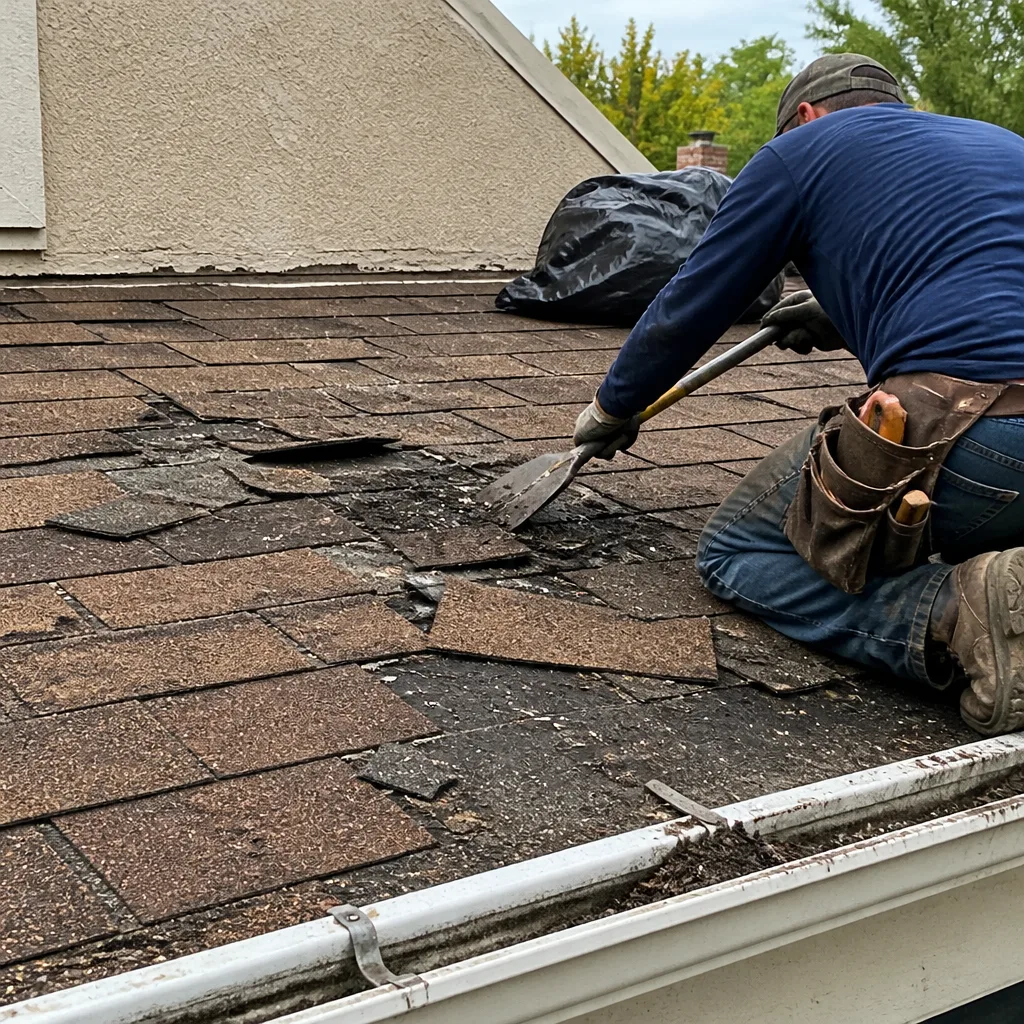 Before
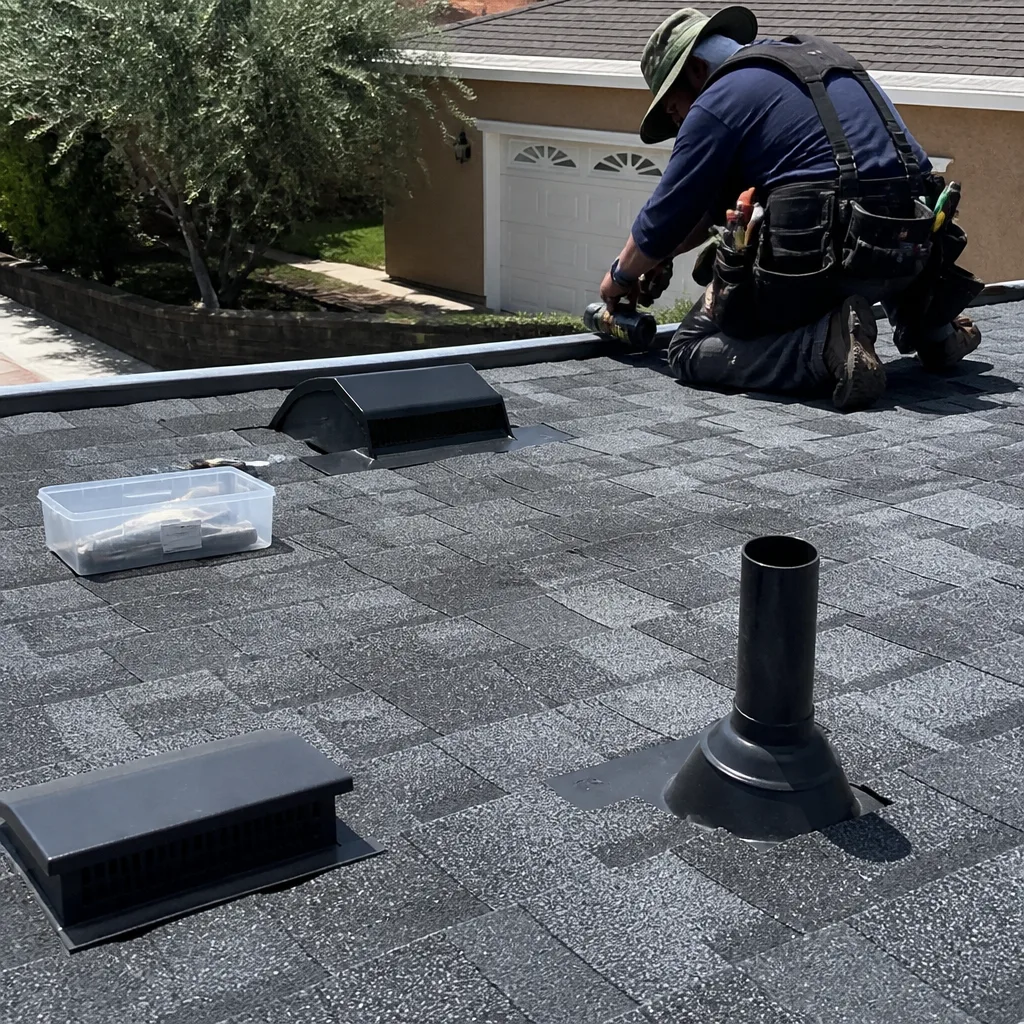 After
After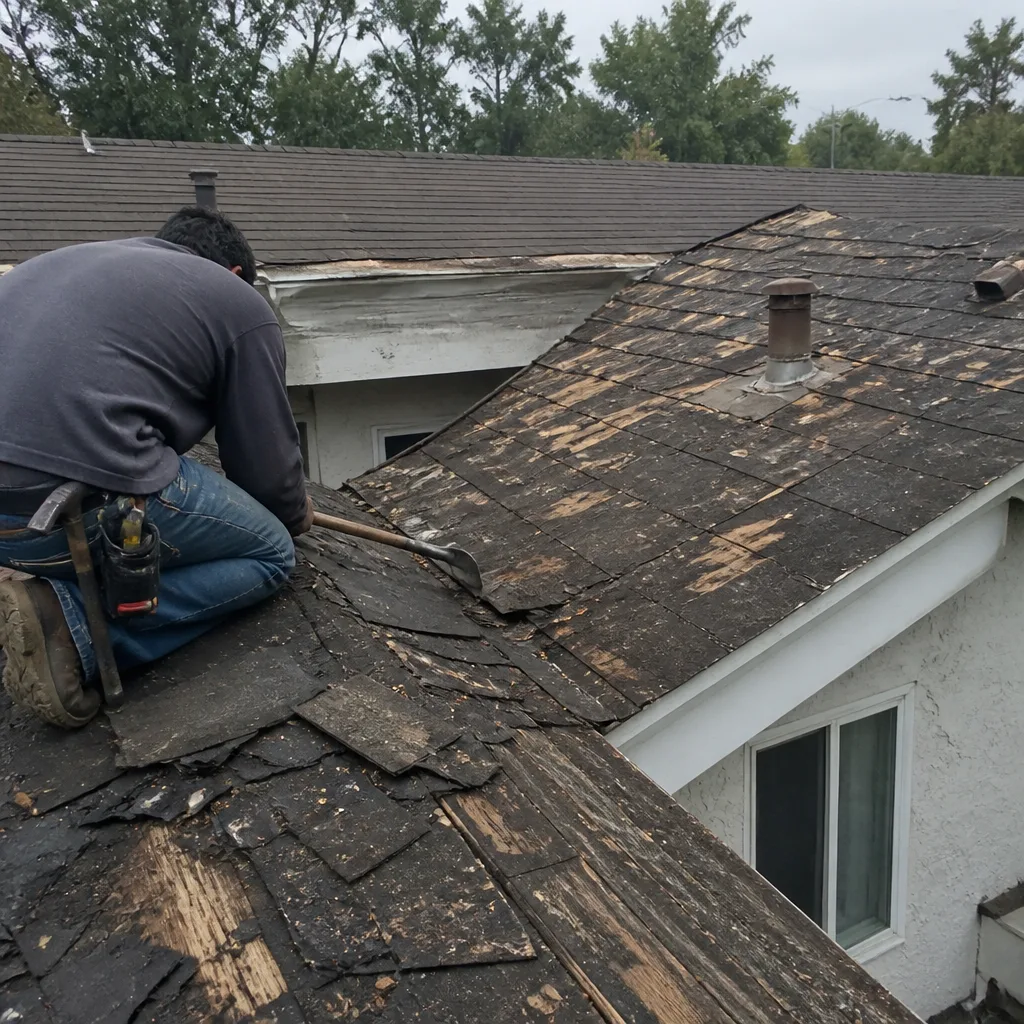 Before
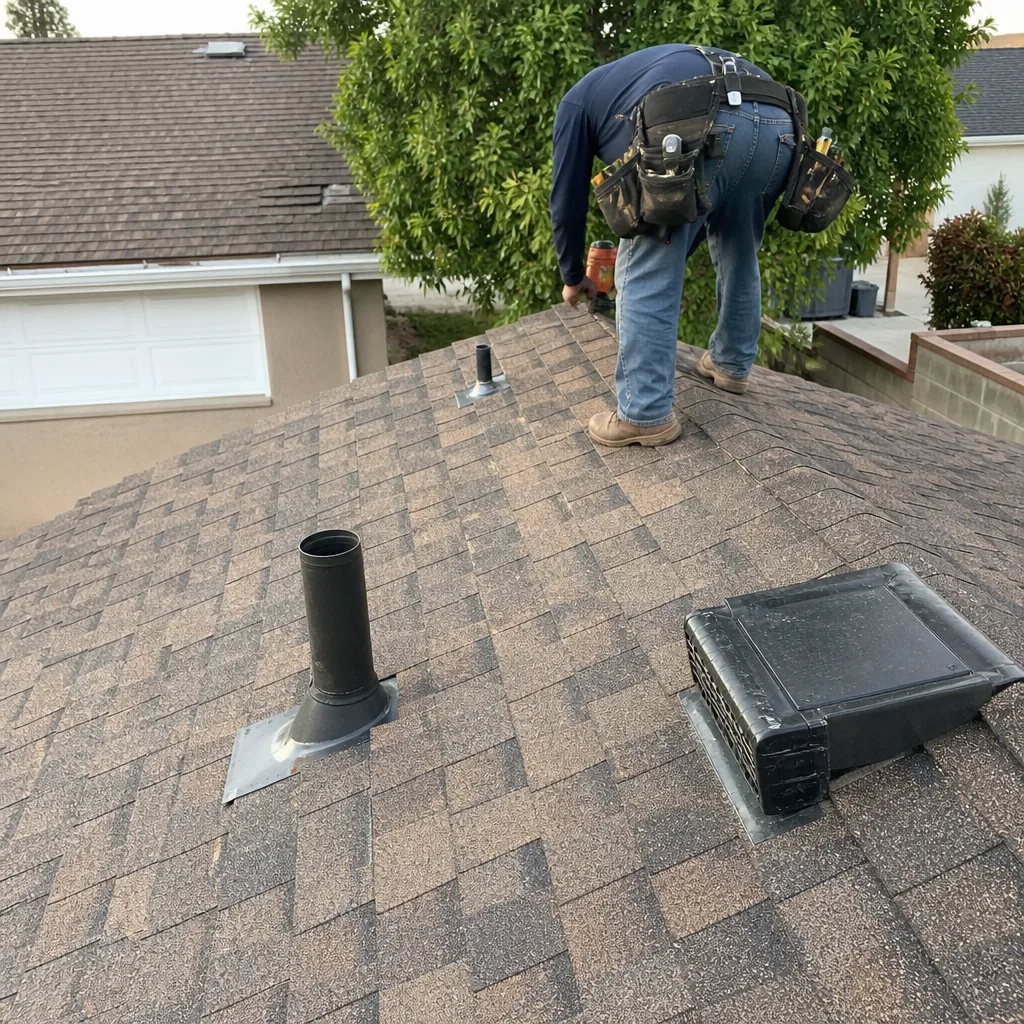 After
After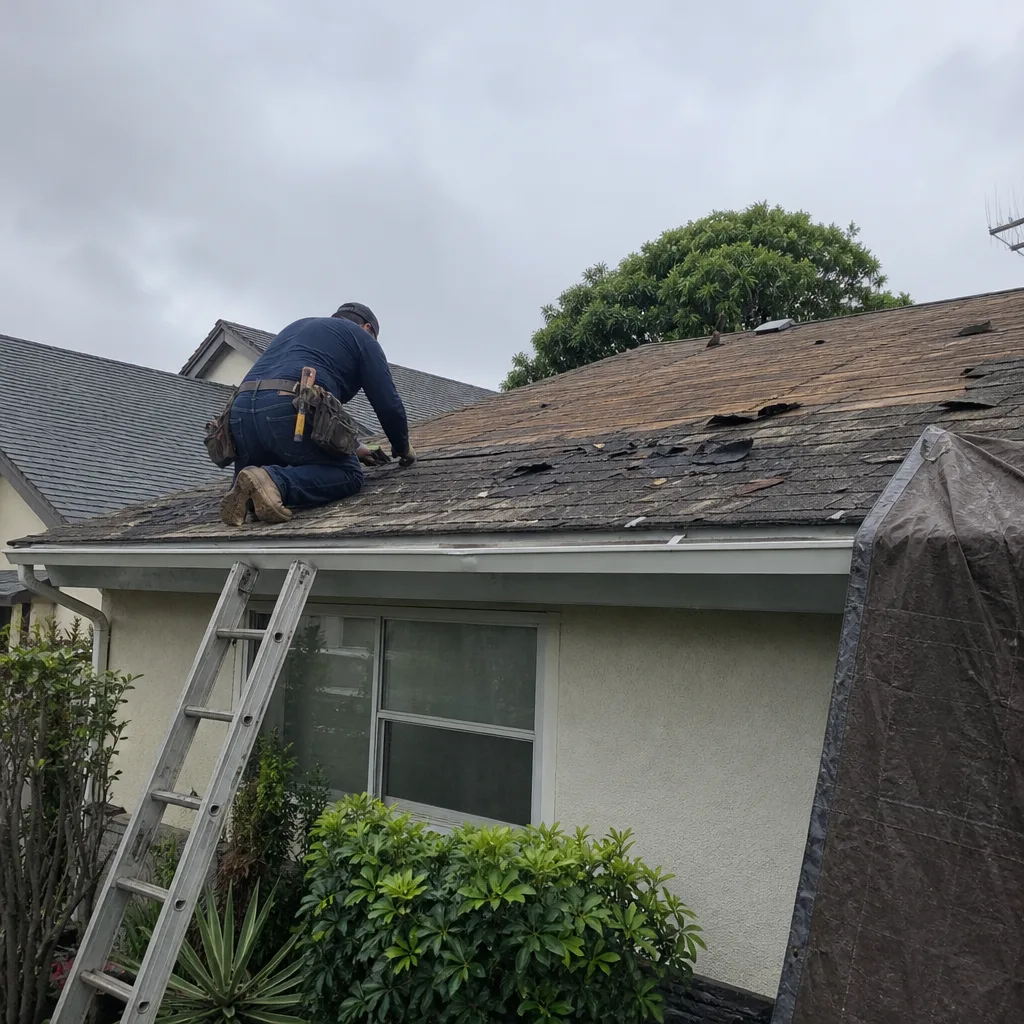 Before
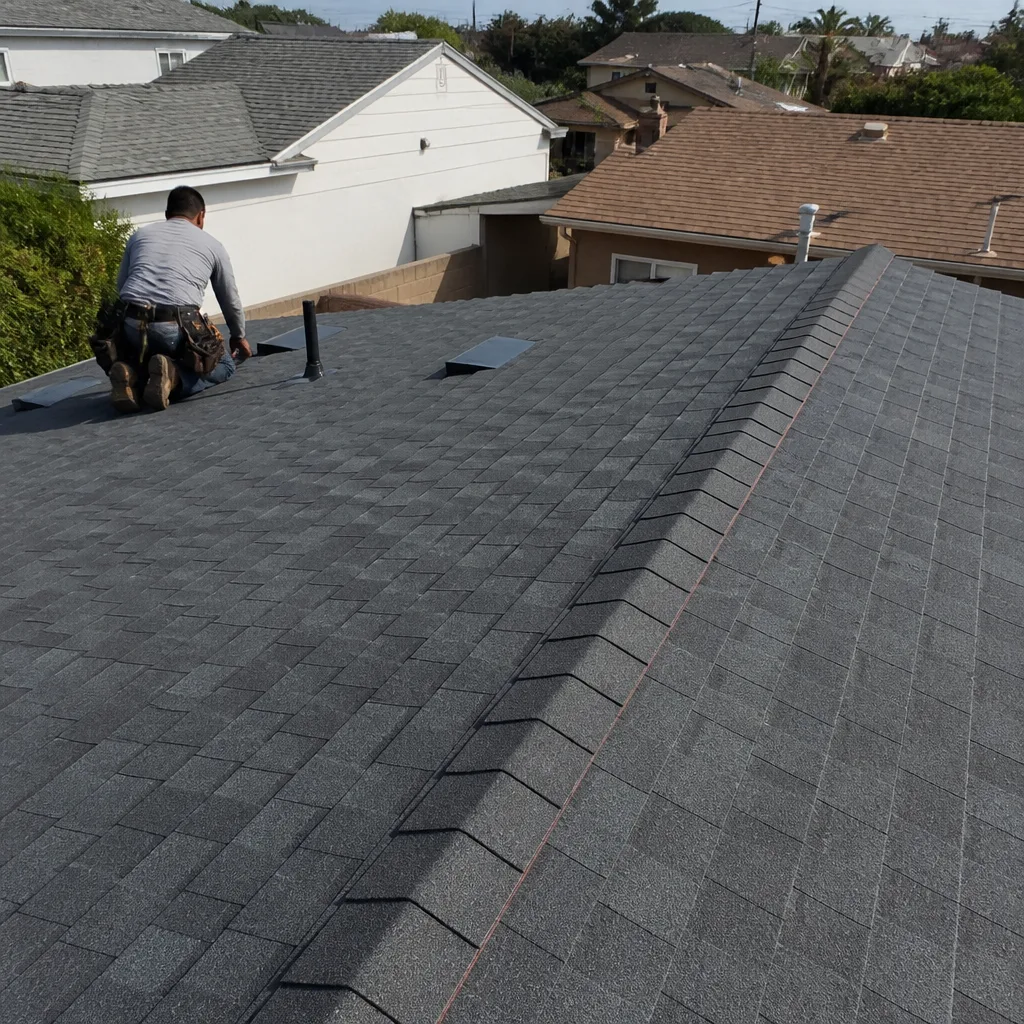 After
AfterWhen to Call a Professional
Some roofing issues are obvious – water dripping through the ceiling, a tree branch through the decking, shingles scattered across the lawn after a Santa Ana event. But the issues that matter most in Torrance are quieter: dark streaking on north-facing slopes, granule buildup in gutters, a slight sag in the roofline, condensation under the deck. These are progressive problems that cost far less to address early than late. If you have walked through the 12-point checklist and found two or more items of concern, or if your roof is past the 15-year mark in this coastal climate and has never had a professional inspection, it is time. Mercer Roofing Co Torrance offers free estimates in Torrance – call (424) 435-5428 and we will send a technician with a photo ID, a written assessment, and a price in writing before any work begins.
Frequently Asked Questions
A full roof replacement in Torrance typically costs $11,000 to $28,000, depending on roof type, square footage, decking condition, and material selection. Composition shingle roofs on standard Torrance lots run $11,000 to $18,000; concrete tile underlayment replacement runs $14,000 to $28,000; flat roof replacement runs $12,000 to $24,000. For an exact quote on your roof, call (424) 435-5428 – estimates are free.
Twice a year. Torrance’s marine layer, salt air, and Santa Ana cycles mean roof conditions change seasonally, not annually. Inspect once after winter rains (March or April) and once before Santa Ana season (August or September). Walk the 12-point checklist above each time, and have a professional inspection if anything looks off.
Minor repairs – a few shingles, a small flashing seal, a membrane patch – generally do not require a permit. Any repair covering more than 25% of a roof plane, and any full re-roof, does require a Torrance permit and final inspection. Any contractor who tells you otherwise is putting you at risk.
The dark streaks are algae, and they are driven by the marine layer. North-facing and northwest-facing roof planes stay shaded and moist longest, which feeds algae growth faster than sun-exposed slopes. The fix is algae-resistant shingles at the next replacement, or a professional roof-cleaning service for the current roof.
In Torrance’s coastal environment, a standard asphalt composition roof lasts roughly 15 to 20 years of good cosmetic and structural life. Algae-resistant shingles with proper underlayment can extend that by 5 to 10 years. The same roof in an inland Southern California city might hold up for 25 to 30 years – the marine layer is what shortens the lifespan here.
Ask for a written price before any work begins. Ask whether the technician who will be in your home is background-checked and whether they will show an ID badge at the door. Ask whether they will pull a Torrance permit where required. Ask what the guarantee covers and for how long – and get it in writing. If you are not comfortable with any answer, get another quote. To learn more about what a full roof replacement involves, see our guide to Roof Installation in Torrance.
The Bottom Line
Torrance roofs fail differently than roofs 10 miles inland. The marine layer keeps moisture on the decking for hours every night. The salt air corrodes flashing and fasteners from the edge inward. The Santa Ana winds test every lifted shingle and loosened tile. And the city’s permit thresholds mean that what looks like a repair may legally be a replacement. A roof in this city needs coastal materials, coastal inspections, and a contractor who puts everything in writing – the price, the guarantee, and the credentials of the person who shows up at your door. When you are ready to have your Torrance roof evaluated on those terms, call us at (424) 435-5428 for a free written estimate.
Written by Grant Whitlock, Owner at Mercer Roofing Co Torrance, serving Torrance since 2000.