
Last updated October 17, 2026
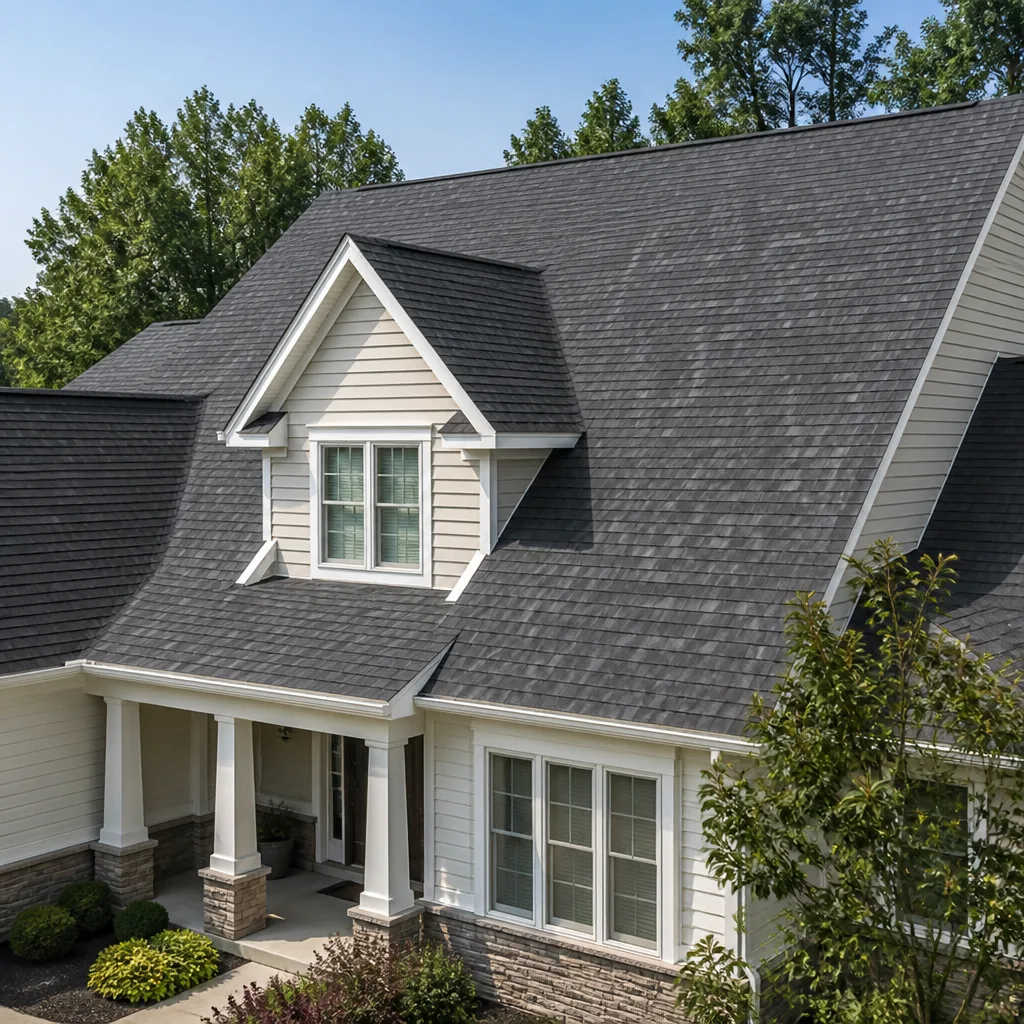 Architectural shingles
 Metal roofing
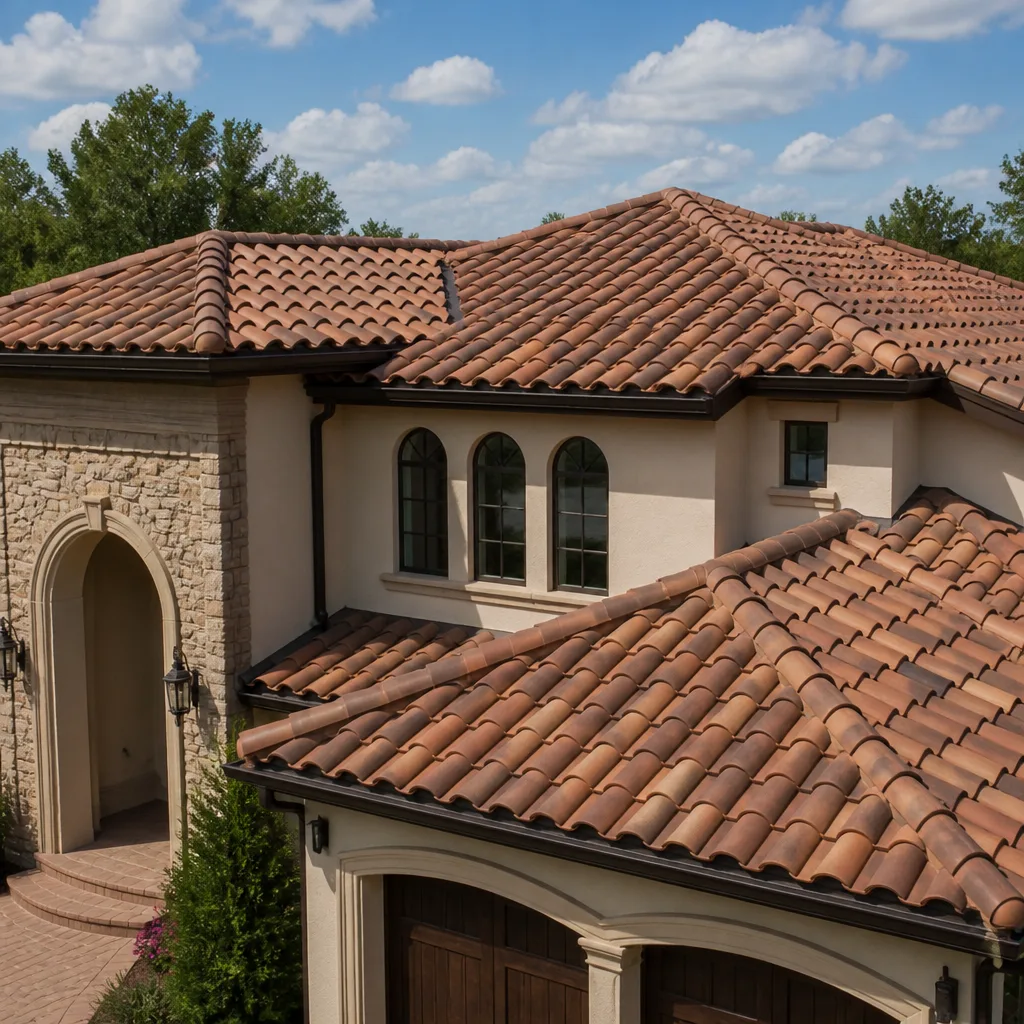 Tile roofing
 GAF
GAF Owens Corning
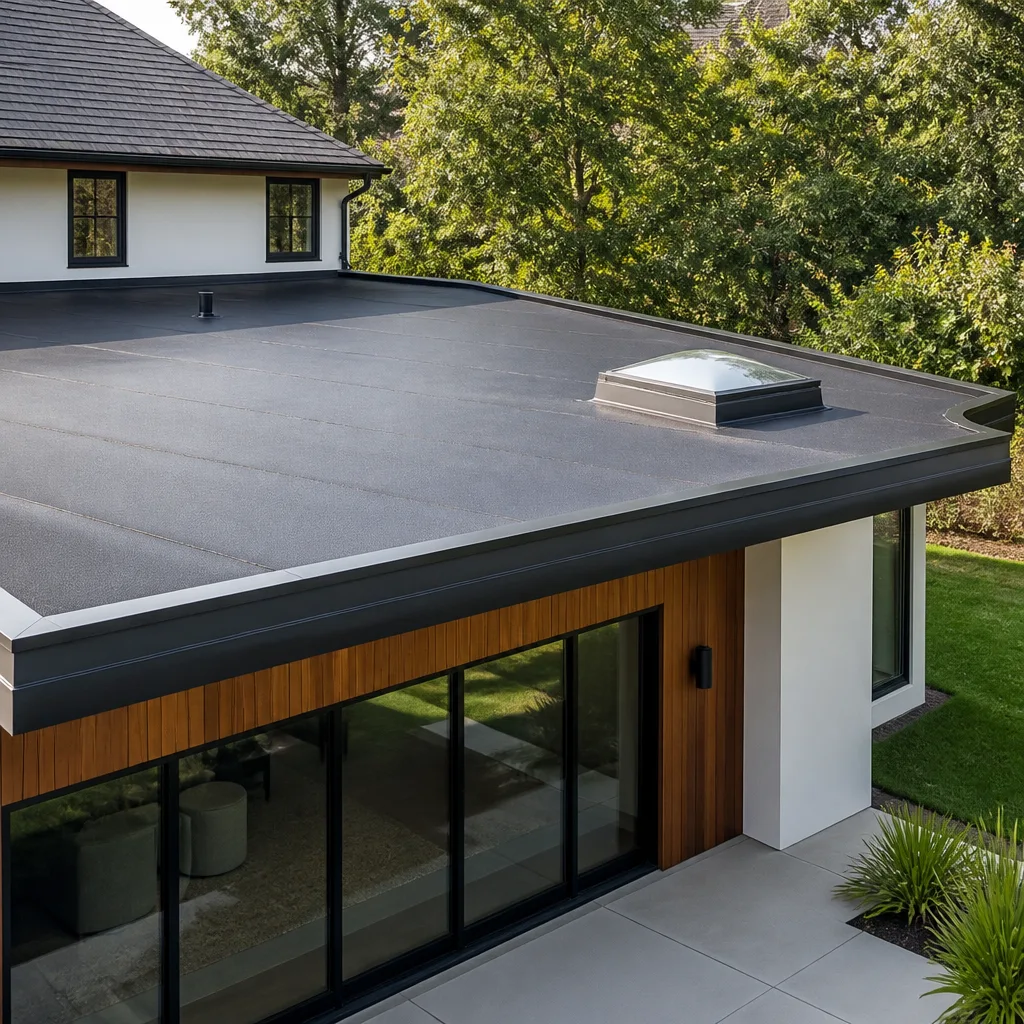 Flat & low-slope
Free roof inspection with deck photos before we talk money - GAF and Owens Corning certified installation
Roof Repair Maintenance Checklist for Torrance Homeowners
Here’s a number that surprises most Torrance homeowners when we share it: about 70% of the Roof Repair services we handle in coastal South Bay neighborhoods trace back to maintenance issues that were visible from the ground months before the leak started. Not storms. Not defective materials. Small, catchable things: a downspout quietly clogging with eucalyptus debris, a two-inch tear in flashing that rusted wider, granules wearing off a south-facing slope faster than the rest of the roof. This checklist is built around what actually goes wrong on Torrance roofs, in the order it typically goes wrong, with the exact warning signs to look for before they become invoices.
Quick Answer
A Torrance homeowner should check their roof from the ground every quarter, clear gutters and downspouts twice a year (before and after the winter rain window), inspect flashing joints and roof penetrations every spring, and document all professional maintenance with dated photos and receipts. The most common preventable failure we see is a blocked downspout backing water under tile edges during light marine-layer drizzle, not heavy rain. Most warranty claims fail because homeowners cannot show documented maintenance.
Styles & brands we work with
Table of Contents
- Month-by-Month Roof Maintenance Calendar for Torrance
- What Failing Flashing Actually Looks Like
- Granule Loss: Normal Wear vs. Accelerated Aging
- Tile Efflorescence and What It Signals
- Safe Ground-Level Inspection Techniques
- Documentation That Extends Manufacturer Warranty Coverage
- The Six Items Mercer Technicians Flag Most Often on Torrance Homes
- Common Mistakes to Avoid
- When to Call a Professional
- Frequently Asked Questions
Month-by-Month Roof Maintenance Calendar for Torrance
Generic spring-and-fall checklists miss what actually drives roof wear in Torrance. Our calendar follows three actual weather regimes: the Santa Ana wind season (October through January), the winter rain window (December through March), and the summer UV peak (June through September). Each regime stresses different roof components, and each requires different maintenance attention.
October – November: Santa Ana Prep
- Clear all gutters and downspouts before wind season. Santa Ana winds strip eucalyptus, pine, and palm debris directly into gutter runs. A gutter that’s 40% blocked in October will be 100% blocked by December. Check downspout outlets especially: debris compacts at the elbow bends first.
- Walk the perimeter and photograph the roof from four corners. These photos become your benchmark. When something changes in January, you have a comparison.
- Check for loose or lifted shingle tabs along rakes and eaves. Wind gets under any loose edge and peels it back. The first shingle to lift is usually on the windward side, which in most Torrance homes means the west or northwest slope.
- Trim overhanging tree branches. Branches that touch or nearly touch the roof during calm weather will scrape repeatedly during Santa Ana gusts. Each scrape removes granules.
- Have a licensed roofer inspect all flashing joints. The expansion and contraction cycle from hot days to cold nights is most extreme in autumn, and that’s when old flashing seals crack.
December – March: Rain Window Monitoring
- After every rainfall over half an inch, check interior ceilings and attic spaces. Look for water stains, damp insulation, or the faint musty smell that precedes visible staining.
- During rain, step outside and watch your downspouts. Water should flow freely. If a downspout is trickling during steady rain, it’s partially blocked and needs clearing immediately. That blocked downspout is backing water up into the gutter, where it finds the nearest gap: often the seam between gutter and roof edge, or a tile underlayment boundary.
- Check for moss or algae growth on north-facing slopes. Coastal marine-layer moisture and shade combine to grow moss on north-facing roof sections in Torrance. Moss holds water against roofing material and accelerates deterioration.
- Monitor interior humidity in upstairs rooms after extended drizzle. Torrance drizzle doesn’t always soak through visibly. Sometimes it works into the underlayment and evaporates inward, raising indoor humidity. A humidity spike after days of light rain often signals hidden water intrusion.
June – September: UV and Thermal Cycle Check
- Inspect south-facing and southwest-facing slopes for accelerated granule loss. UV exposure is highest on these exposures. Torrance’s summer UV index regularly reaches 9-10, and that cooks organic shingle compounds faster than coastal residents expect.
- Check for tile cracking along ridge lines and valleys. Clay and concrete tiles expand in heat. Where tiles are constrained, they crack. Ridge tiles crack first because they sit on two moving planes.
- Examine flashing at all roof penetrations: vents, plumbing stacks, skylights, chimneys. Summer thermal cycling is the most active time for flashing sealant failure. If you’re going to catch a flashing problem early, it’ll be during a summer inspection.
- Look for lifting at the edges of torch-down or flat roof sections. Summer heat softens torched-down membrane edges. Once lifted, they curl and crack. Many Torrance homes with flat-roof additions develop leaks in late summer that show up only when winter rain arrives.
One note from our field experience in Torrance: the single most common preventable call we get during coastal drizzle events is a blocked downspout that backed water under a tile course. Homeowners don’t connect a light drizzle to roof damage. But tile roofs have open seams at edges and valleys by design. Water that can’t flow down the gutter system finds those seams. Checking downspouts during light rain is free maintenance that prevents thousands in repairs.
What Failing Flashing Actually Looks Like
Most Torrance homeowners nod when a checklist says “inspect flashing” but don’t know what they’re looking at. Flashing is the folded metal that bridges the joint where the roof meets something vertical: a chimney, a skylight, a plumbing vent, a wall. When it fails, water gets in. Here’s what failing flashing actually looks like, in the order it appears:
- Rust staining on metal flashing. Galvanized steel flashing rusts at the cut edges first. You’ll see orange-brown staining bleeding down from the flashing edge. This is cosmetic at first, but the rust will eat through the metal within a few years, leaving pinholes.
- Lifted or curled flashing edges. Metal flashing is nailed or screwed at intervals. Wind and thermal cycling work the edges loose. A flashing edge lifted even a quarter-inch off the roof surface lets wind-driven rain underneath.
- Cracked sealant at flashing joints. Most flashing installations use sealant at the nail heads and joint overlaps. That sealant degrades under UV. Once it loses flexibility, it cracks, and water follows the nail shaft down.
- Wavy or buckled flashing. Metal expands and contracts. Flashing that was installed too tightly will buckle in heat and stay buckled. Buckling means the flashing is no longer lying flat against the surface it’s supposed to shed water from.
- Step flashing exposed above shingle courses. Step flashing is installed in small steps, each piece tucked under a shingle. If you can see multiple inches of exposed step flashing along a wall intersection, it means shingles have broken or slid, and the wall-to-roof joint is now protected only by the metal, not the shingle overlap.
In Torrance, the flashing joints around chimneys fail most often on older homes (pre-1990 construction) where original galvanized flashing was never upgraded. The marine air accelerates rust on exposed metal, and chimneys catch both moisture and wind. If you have a chimney, check the flashing around its base twice a year. It’s the highest-risk flashing point on most Torrance rooflines.
Granule Loss: Normal Wear vs. Accelerated Aging
Granules are the ceramic-coated rock particles pressed into asphalt shingle surfaces. They protect the asphalt from UV. When granules go, the asphalt degrades quickly. Every composite shingle roof loses some granules over time. The question is whether the loss matches the roof’s age or signals premature failure.
Normal granule loss looks like this: light, even surface texture change across the whole roof, with slightly more loss on sun-exposed slopes. The shingle color lightens gradually, and you’ll see a few granules in gutters after the first year or two, tapering off.
Accelerated granule loss looks different: bare asphalt showing in streaks or patches while the surrounding shingle still has full granule coverage; heavy granule accumulation in gutters or downspout traps (more than a thin layer); or bald spots on shingle edges, especially on the south and west slopes. If you see the black asphalt substrate through the granules, the shingle is losing its UV armor.
The distinction matters because it tells you whether you need a repair or a reroof conversation. A few bald shingles can be replaced. Bald patches across a slope signal that the entire slope has reached the end of its functional life. In Torrance’s UV-dominant climate, south-facing slopes can degrade 30-40% faster than the same shingle on a north-facing slope. We regularly see Torrance roofs where one slope needs replacement while the other three slopes have years left. That’s normal here, and it’s why slope-by-slope inspection matters more than whole-roof age.
A quick ground-level test: stand at the street or walk the perimeter and look for color variation between slopes. The south and southwest slopes should be lighter than north slopes if anything. If you see dark patches or stripes on one slope only, you’re looking at granule loss, not normal weathering.
Tile Efflorescence and What It Signals
Efflorescence is the white, chalky mineral deposit that appears on concrete and clay roof tiles. It comes from water moving through the tile and carrying dissolved minerals to the surface. When the water evaporates, the minerals stay. On a Torrance roof, efflorescence matters because it tells you water is moving through tile material, not just over it.
What early efflorescence looks like: faint white haze or streaking, especially near tile edges, laps, and the lower third of the slope. It wipes off with a dry finger. At this stage, the tile’s surface coating is still intact, and the efflorescence is cosmetic.
What advanced efflorescence looks like: thick, crusty white deposits that do not wipe off; darkening around the deposits where algae or lichen have attached; or spalling (tiny surface flakes breaking off). Advanced efflorescence indicates the tile’s moisture content is consistently high, which often means water is getting under the tile and saturating it from below.
The important distinction: new tile roofs in Torrance often show light efflorescence in the first year. That’s the tile’s natural curing process and will diminish. Efflorescence that appears years after installation, or that worsens seasonally, signals moisture migration. Combined with cracked tiles or lifted courses, it points to water intrusion at the underlayment level. The tile looks intact from the ground, but water is doing damage underneath. If you see efflorescence spreading on a roof that’s more than ten years old, have a licensed roofer evaluate the underlayment condition before the next rain season.
Safe Ground-Level Inspection Techniques
Most of what you need to see can be seen from the ground or from a ladder placed against the gutter line. You don’t need to walk the roof to catch early warning signs, and in fact, walking a tile roof without proper training can crack tiles and void warranties. Here’s a ground-level inspection routine that works:
- Stand at the street or driveway and photograph the roof from all four corners. Use your phone. These photos become your comparison set. Roof problems show up as changes over time, not as single dramatic events.
- Walk the perimeter slowly and look for visual anomalies. Lifted shingle edges, cracked tiles, missing granules, rust stains, moss patches, and exposed flashing all register from the ground if you look methodically, slope by slope.
- Place a ladder against the gutter line and climb only high enough to see the roof edge and gutter interior. Wear non-slip shoes and have someone hold the ladder. From here you can check gutter debris, downspout openings, and the first few shingle or tile courses. Do not climb onto the roof itself.
- Check for granules in the gutter trap. A thin, even layer over a full season is normal. Heavy accumulation or piles of granules at the downspout opening indicate active granule shed.
- Inspect the attic from inside during daylight. Turn off the attic light and look for any pinpoints of daylight coming through the roof deck. Daylight means a hole, and a hole means water entry. Also look for dark streaks on the underside of the roof deck: those are moisture stains.
- After wind events over 30 mph, photograph the same four corners again. Compare to your baseline. Wind damage often shows up as subtle changes: a shingle shifted a few inches, a tile out of alignment, a new gap at the ridge.
One caveat about walking roofs: many shingle manufacturer warranties (including CertainTeed, Owens Corning, and IKO) include language about improper maintenance or third-party foot traffic. If a homeowner damages tiles or shingles by walking the roof incorrectly, the damage is usually excluded from warranty coverage. Ground inspection plus professional annual inspections is the safer path; see our more guides & resources for maintenance tips. Mercer Roofing Co Torrance documents every professional inspection with photos and a written condition report, which also serves as warranty documentation (more on that below).
Documentation That Extends Manufacturer Warranty Coverage
Many Torrance homeowners own shingle roofs covered by manufacturer warranties that could last 30 years or longer. Most of those warranties contain a maintenance clause: the homeowner must perform reasonable maintenance and keep documentation, or the manufacturer can deny claims. Homeowners almost never know this until a claim is denied.
Here’s what actually matters to warranty examinations:
- Annual inspection reports from a licensed roofer, with photos. This is the single most powerful document. It shows a professional evaluated the roof and found it in acceptable condition (or documented and repaired issues).
- Dated receipts for any maintenance or repair work. Every repair invoice should include the date, scope of work, materials used, and the roofer’s license number.
- Photos taken at regular intervals. Exterior photos from all four corners, taken twice a year, create a timeline that shows the roof was maintained.
- Gutter cleaning receipts or logs. Blocked gutters are a leading cause of preventable roof damage. If a warranty claim involves water damage, the manufacturer will check whether gutters were maintained.
- Documentation of any roof penetrations or modifications. If you’ve had a skylight installed, a satellite dish removed, or solar panels mounted, keep the installer’s paperwork. Unauthorized penetrations are a common claim denial.
Mercer Roofing’s Roof Repair in Torrance process includes a written condition report with dated photos on every visit. For homeowners who maintain an annual inspection rhythm with us, those reports create a warranty documentation trail that’s ready if a manufacturer claim ever comes up. It’s a side benefit of regular professional inspection, and one that most homeowners never think about until it matters.
If you have a newer roof installed with a manufacturer-recognized brand (certain lines from CertainTeed, Owens Corning, IKO, or Atlas all carry extended warranty options in Torrance’s climate zone), check your original installation paperwork for the maintenance clause language. Then build your documentation habit around it.
The Six Items Mercer Technicians Flag Most Often on Torrance Homes
These are the issues our technicians record most frequently on routine maintenance calls throughout Torrance, ranked by frequency. If your roof has any of these, address them before the next rain window:
- Blocked or slow downspouts. By far the most common flag. Eucalyptus debris, pine needles, and wind-blown leaves pack downspout elbows. Water backs up in the gutter and finds the seam between gutter and roof edge. This is the issue behind most of our preventable-leak calls in Torrance.
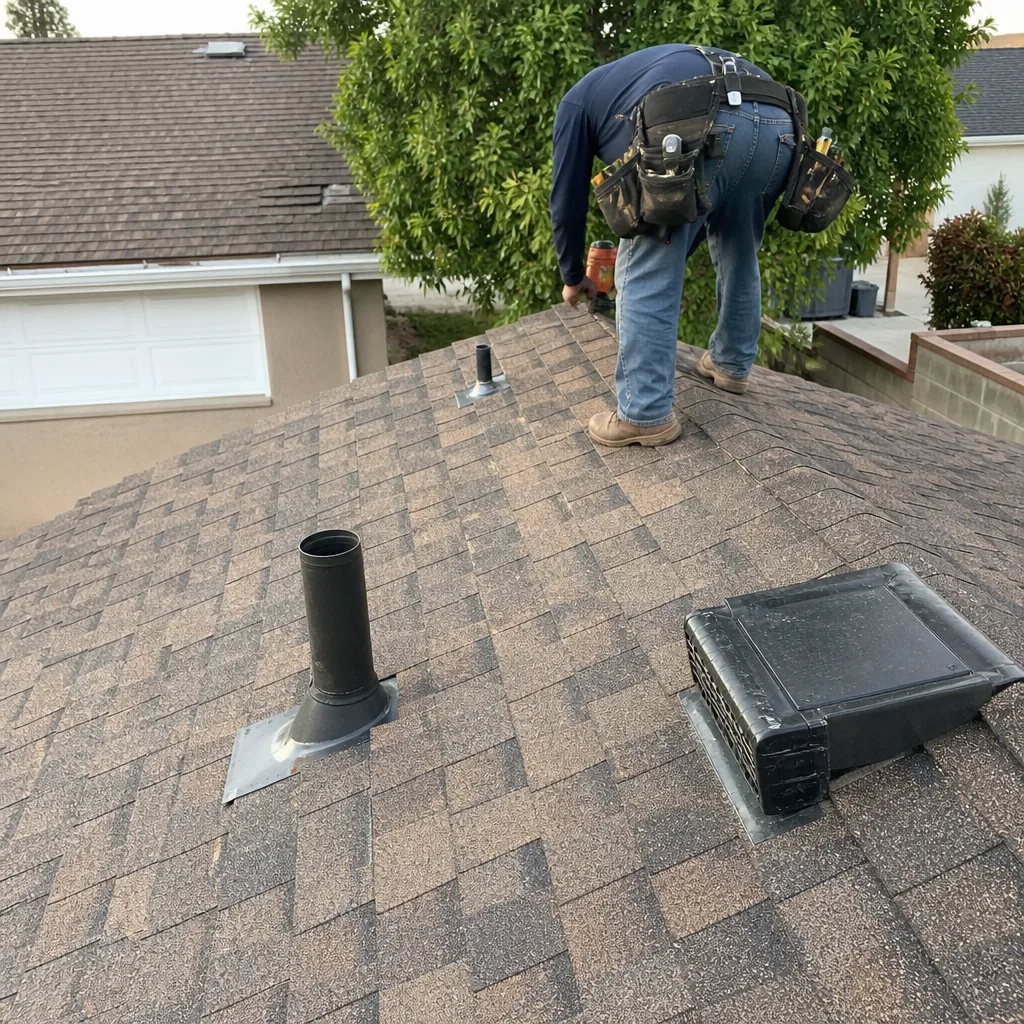
- Deteriorated pipe boot flashing. The rubber boot around plumbing vent pipes cracks under UV within 8-12 years in Torrance’s sun. It’s a cheap part and a fast repair, but the leak it creates runs down the pipe and into the ceiling below, often mistaken for a plumbing leak.
- Missing or cracked ridge cap shingles. Ridge caps take the most wind and sun exposure of any shingle on the roof. They crack and break first. A missing ridge cap exposes the roof peak seam to direct water entry.
- Punctured or rotted roof decking at eaves. When gutters overflow repeatedly, water soaks the fascia and eave decking. The decking rots, and tiles or shingles at the eave loosens. We see this most often on homes where gutters haven’t been cleaned in two or more seasons.
- Granule loss on south-facing slopes. As described above, UV accelerates south-slope granule loss. We flag this when we see bald spots developing, and we recommend monitoring frequency so the homeowner knows when replacement becomes necessary before leaking starts.
- Skylight flashing gaps. Skylights move independently of the roof structure as temperatures change. The flashing around skylights works loose, and the sealant degrades. By the time a homeowner sees brown ceiling staining around a skylight, the leak has been active for weeks or months.
Every item on this list is repairable for a few hundred dollars if caught early. Most become multi-thousand-dollar repairs if ignored through one rain season. If you’ve never had a professional roof maintenance check in Torrance, Mercer Roofing Co Torrance performs free estimates on inspection and repair work, and every quote is written before any work starts.
We approach every maintenance visit the same way regardless of which Torrance neighborhood it’s in, whether that’s Hollywood Riviera, Southwood, Seaside, or Walteria. Every technician arrives in uniform, presents a photo ID badge at the door, and you receive the technician’s name and photo before we arrive. It’s the Threshold Standard that every Mercer location operates under. The roofing work comes with a written 365-Day Done Right Promise: if a repair isn’t right within a year, we make it right.
Common Mistakes to Avoid
- Ignoring downspouts during light rain. Homeowners in Torrance often skip gutter checks during drizzle season because the rain seems harmless. But light rain over many days is exactly when blocked downspouts cause backed-up water to work into tile seams and underlayment. Heavy rain drains through partial blockages more easily because the volume pushes debris through.
- Painting over efflorescence. Some homeowners see white staining on their tile roof and paint over it. Painting locks moisture inside the tile and accelerates spalling. The efflorescence returns, usually worse, within a season.
- Power-washing a shingle roof. Power washers strip granules off shingles instantly. A five-minute power wash can remove the equivalent of a decade of UV exposure. Use low-pressure rinsing only, and never on asphalt shingles.
- Caulking over flashing instead of repairing it. Homeowners often seal cracked flashing with silicone caulk. It works for a season or two, then the underlying metal continues to deteriorate. By the time the caulk fails, the flashing is worse than if it had been replaced or properly retooled the first time.
- Walking a tile roof to inspect it. Clay and concrete tiles crack under unprotected foot traffic. Cracked tiles let water reach the underlayment. If you must access the roof, use proper tile-walking boards and techniques, or better, call a licensed roofer who assumes the liability.
- Delaying repairs until after the rain season. The most expensive roof repairs in Torrance are the ones deferred from October to April. A $400 flashing repair in November becomes a $4,000 ceiling, insulation, and decking repair by February. If you see a problem in autumn, address it before the first real rain.
- Assuming a new roof means zero maintenance. New roofs fail at installation points: flashing, penetrations, and transitions. The first two years are the highest-risk window for installation-related leaks. Keep inspecting even on a brand-new roof, especially around skylights, vents, and chimney flashing.
When to Call a Professional
Call a licensed roofer in Torrance when you see any of these: water staining on ceilings or walls, even faint; daylight visible through the roof deck from inside the attic; cracked, missing, or sliding tiles; bare asphalt showing through shingle granules; rust stains bleeding from flashing; or any roof leak during rain. Also call if you’re not comfortable placing a ladder against your gutter line, or if the roof is too steep for safe ground-level inspection. If you have documented evidence of a leak, don’t wait to see if it worsens. Water intrusion is progressive and every rain event extends the damage radius.
Mercer Roofing Co Torrance offers free estimates throughout Torrance. Call (424) 435-5428 for a written quote on roof repair, maintenance inspection, or full Roof Installation in Torrance. Every job begins with a written price before any work starts, and every repair includes our written 365-Day Done Right Promise.
Frequently Asked Questions
Twice a year, in early autumn (September-October) before Santa Ana season starts and in late spring (April-May) after the rain window closes. Coastal marine air and UV exposure in Torrance cause faster sealant and flashing degradation than inland areas, so semi-annual inspections catch problems before they leak. Call (424) 435-5428 to schedule a free estimate for a professional inspection.
No. Every maintenance inspection and repair estimate from Mercer Roofing Co Torrance is free, and the written price is provided before any work starts. You’ll know exactly what the work costs before you approve it. Call (424) 435-5428 to schedule.
Routine gutter clearing runs $150-$300 depending on roof size and debris load. A professional roof inspection with a written condition report typically runs $200-$400. Minor flashing and sealant repairs start around $250-$600. Pipe boot replacement runs $200-$350. Larger repairs like tile replacement, ridge cap replacement, or decking repair run higher depending on scope. Every Mercer Roofing quote is written before work starts, so you’ll always know the price upfront. Call (424) 435-5428 for an exact quote on your roof.
Yes, ground-level inspection, gutter clearing, tree trimming, and photo documentation are all homeowner-safe and warranty-compatible. What voids warranties is walking the roof improperly and cracking tiles or shingles, power-washing shingle surfaces, or making unauthorized modifications to roof penetrations. For anything that requires roof access, hire a licensed roofer who assumes liability and provides documentation. Be sure to review Roofing Permits, Codes & Inspections in CA: What You Need to Know before starting major work.
Asphalt shingle roofs in Torrance typically last 18-25 years, with south-facing slopes aging 5-7 years faster than north slopes due to UV exposure. Tile roofs last 40-60 years but underlayment typically needs replacement every 25-30 years. Coastal marine moisture accelerates rust on metal flashing and fasteners, so even tile roofs need regular flashing maintenance. Proper maintenance extends every lifespan; neglect shortens it.
Minimize interior water damage first: move furniture, place buckets, and puncture a small hole in any ceiling bulge to drain collected water before it spreads. Then call a licensed roofer. Do not go onto the roof during rain. Mercer Roofing Co Torrance answers calls with a live person 24/7, and we can schedule an emergency inspection. Call (424) 435-5428 and we’ll get a technician to you as soon as weather allows a safe inspection.
Yes. We provide roof repair, maintenance, inspection, and Mercer Roofing Co Torrance home services across Torrance, including Hollywood Riviera, Southwood, Seaside, Walteria, Old Torrance, and surrounding South Bay neighborhoods. Every visit is staffed by a uniformed, background-checked technician who presents a photo ID badge at the door, and you’ll receive the technician’s name and photo before arrival.
The Bottom Line
Torrance roofs fail in predictable patterns: downspouts clog with eucalyptus debris during Santa Ana season, flashing rusts in coastal marine air, south-facing slopes lose granules faster than north slopes, and tile efflorescence signals moisture moving underneath. A maintenance routine built around these local realities, documented with photos and professional reports, prevents most leaks before they reach your ceiling. Check from the ground quarterly, clear gutters twice a year, inspect flashing each spring, and maintain your documentation trail. When something needs professional attention, call (424) 435-5428 for a free written estimate. Every Mercer Roofing repair is backed by our written 365-Day Done Right Promise, and every technician arrives with a photo ID badge, a clean uniform, and a name you’ll know before they knock.
Written by Grant Whitlock, Owner at Mercer Roofing Co Torrance, serving Torrance since 2000.
See the difference
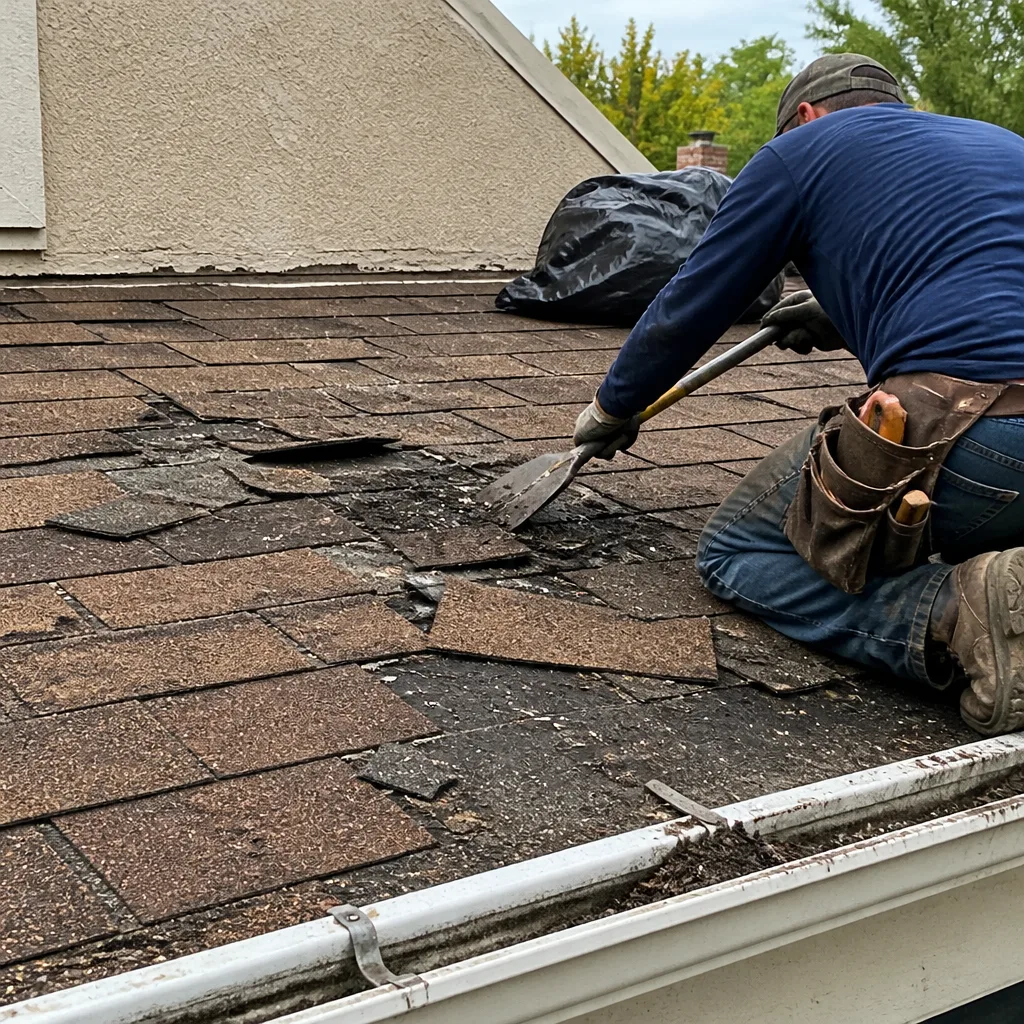 Before
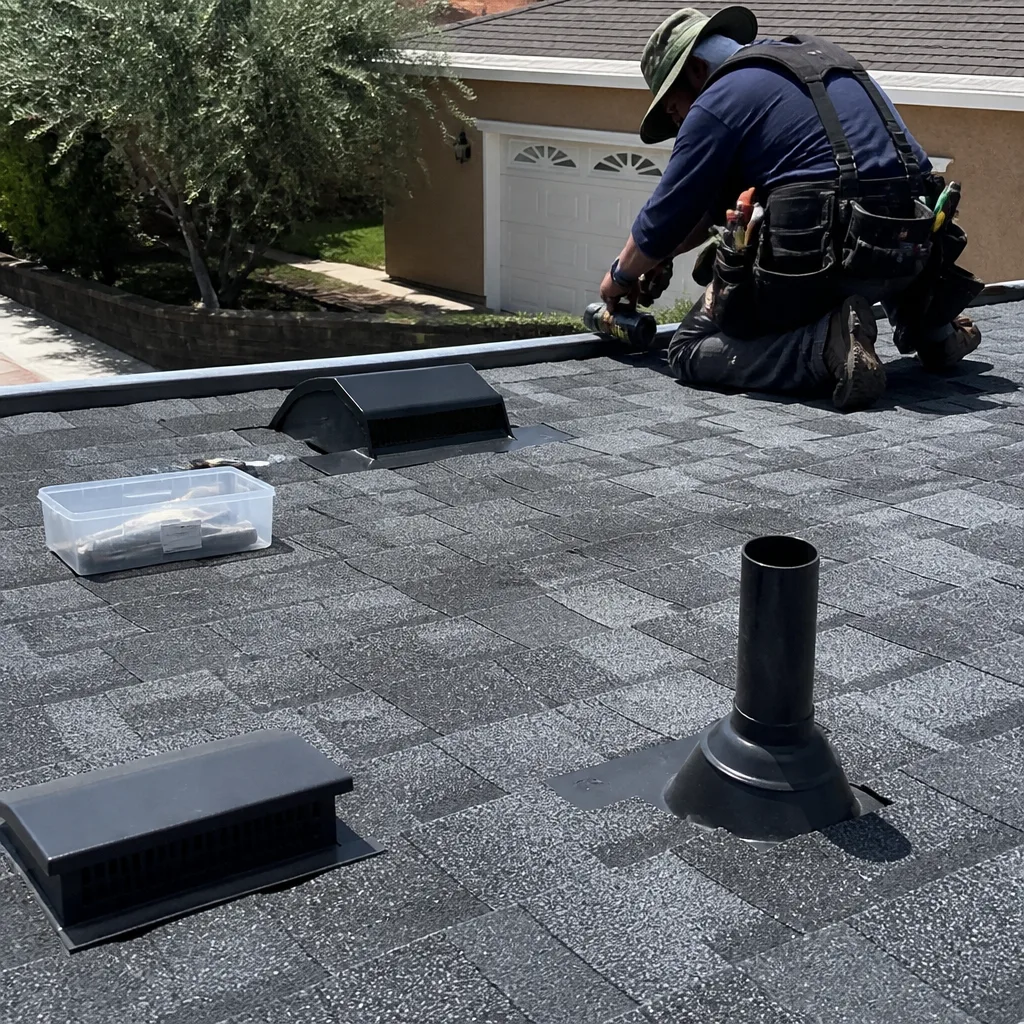 After
After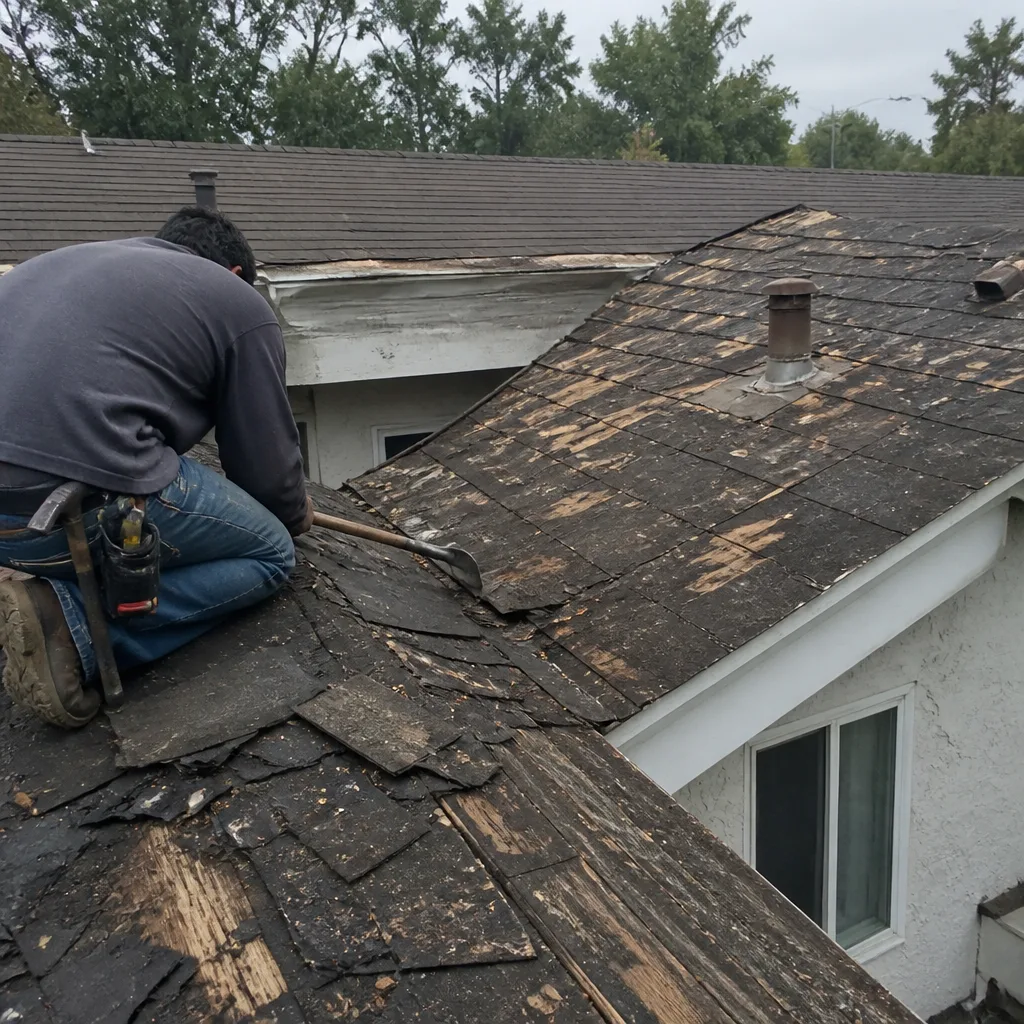 Before
 After
After Before
 After
After