
Last updated October 17, 2026
 Metal roofing
 Architectural shingles
 Tile roofing
 GAF
GAF Owens Corning
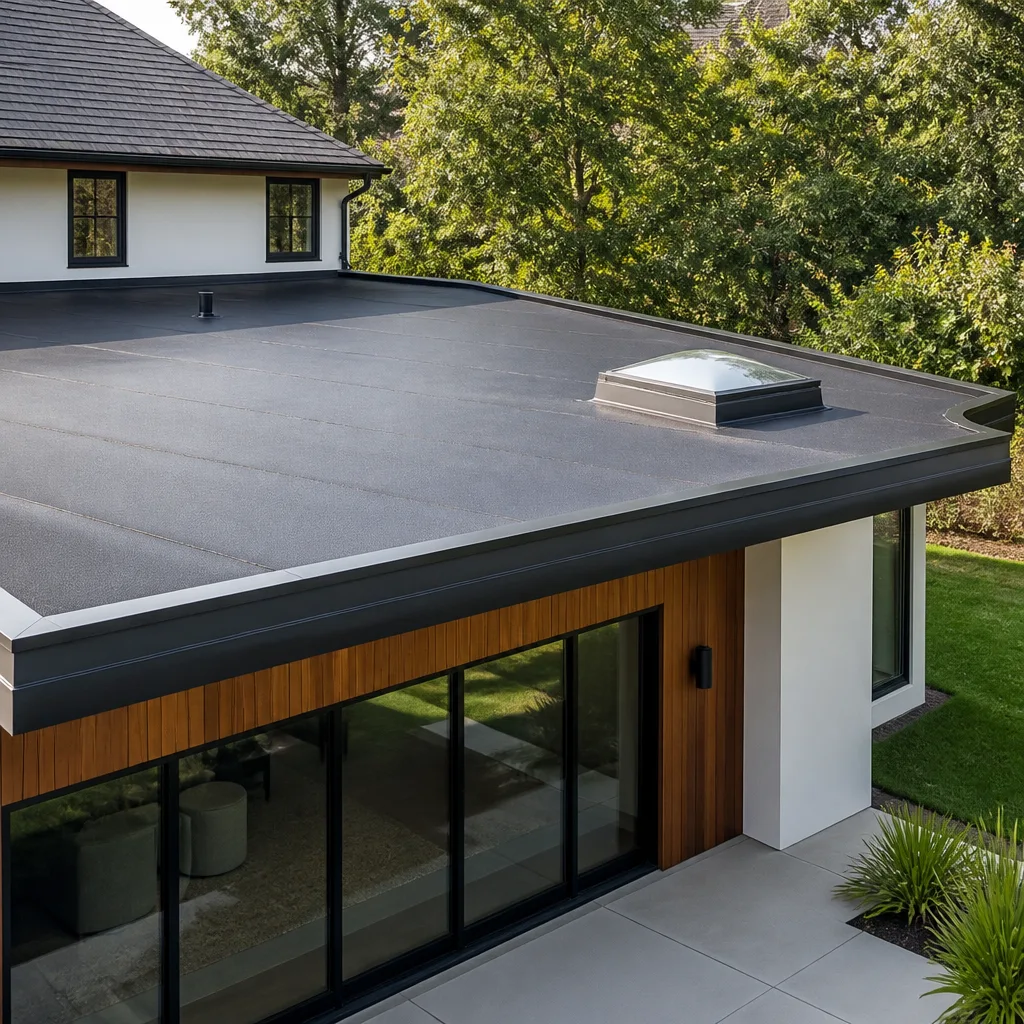 Flat & low-slope
Free roof inspection with deck photos before we talk money - GAF and Owens Corning certified installation
Roofing Warning Signs: A Torrance Homeowner’s Reference Guide
Most roofing guides show you the dramatic stuff: shingles torn off in a windstorm, a branch poking through the decking, water pouring through a light fixture. That’s not where the money goes. The costliest roof damage in Torrance announces itself with signals so subtle they get mistaken for normal aging. A faint mineral dust in the gutters. A quarter-sized water stain that dries before you think twice. A pipe boot flashing with a hairline crack that lets marine-layer moisture seep into the sheathing for eighteen quiet months before anyone notices. This guide is built around early detection, not late-stage crisis. For a broader look at protecting your home, see our Seasonal Roofing Care for Torrance: Year-Round Homeowner’s Guide. By the end of this article, you’ll know what to watch, when to act, and what to ignore.
Quick Answer
Roof warning signs in Torrance fall into three tiers: green (monitor and document), yellow (schedule a roofing inspection within 90 days), and red (call a licensed roof repair contractor in Torrance within the week). The most expensive problems almost always start as small, slow leaks around pipe boots, flashing, and vent collars – not as missing shingles. If you see water stains on ceilings, mineral granules in gutters, or rust-colored streaks on flashing, call (424) 435-5428 for a professional assessment before the repair bill multiplies.
Styles & brands we work with
Table of Contents
- The Three-Tier Warning Sign System
- Interior Warning Signs That Originate on the Roof
- Coastal-Specific Signs Unique to Torrance and the South Bay
- Cosmetic Issues vs. Structural Problems: How to Tell the Difference
- A Documentation Template for Homeowners
- Common Mistakes to Avoid
- When to Call a Professional
- Frequently Asked Questions
The Three-Tier Warning Sign System
Every roof signal you’ll ever spot fits into one of three response tiers. This is the framework we use when we walk a roof in Torrance, and it works just as well from the ground. The goal isn’t to turn you into a roofer. It’s to tell you when to reach for a camera, when to reach for a calendar, and when to reach for the phone.
Green Tier: Monitor and Document
Green-tier signs are normal wear-and-tear conditions that don’t require action yet, but they do require a photo and a dated note. In Torrance’s salt air and morning marine layer, these conditions progress faster than inland roofs, so documenting them creates a baseline you can compare against next season.
What green looks like:
- Light granule dust in a gutter that’s less than a quarter-inch deep after a full year. Asphalt shingles shed granules as they age; a thin layer is normal. A thick layer that builds up in months is not.
- Small, isolated moss or lichen spots on the north-facing slope that don’t spread between inspections. Coastal moisture encourages growth, but a few spots are cosmetic.
- Minor color fading on shingles that are past their 15th year. Fading alone doesn’t mean the shingle is failing – but it does mean the clock is running.
- Hairline surface cracks on tile caps that haven’t exposed the underlayment beneath. These are worth noting but don’t demand immediate attention.
- Slight lifting at shingle corners on a hot afternoon that settles flat overnight. Thermal expansion moves shingles; what matters is whether they return to position.
Green-tier task: photograph the condition with your phone, write the date and location in a notes app or the template at the bottom of this guide, and re-check in six months. If nothing has changed, you’re fine. If it has grown, you’ve moved to yellow.
Yellow Tier: Schedule Within 90 Days
Yellow-tier signs mean moisture or structural stress has begun, but the roof still has weeks of protection left. This is the zone where a $300 repair stays a $300 repair instead of becoming a $2,400 sheathing replacement. In our experience across roof repair in Torrance, most yellow-tier calls we get could have been green-tier six months earlier.
What yellow looks like:
- Curling shingle edges that stay curled in the morning and don’t relax. This means the asphalt has lost flexibility and the shingle can no longer seal properly.
- Rust-colored streaking on metal flashing around chimneys, skylights, or valleys. Surface rust is the first stage of corrosion; once rust pinholes form, water gets behind the metal.
- Ceiling stains that are dry to the touch and haven’t grown in a week, but appear after heavy rain. This is an intermittent leak, not a constant one. It will not fix itself.
- Caulk pulling away from vent collars, pipe boots, or skylight frames. Any gap wider than a dime is an entry point for a Torrance drizzle that lasts eight hours.
- Granules collecting in a downspout splash block in volumes that look like coarse sand after each rain. This indicates accelerated shingle wear.
Yellow-tier task: schedule a professional inspection within 90 days. Not an emergency. But don’t let it ride past the next rainy season. A quick roofing company in Torrance can usually identify the exact failure point and quote a written price on the spot.
Red Tier: Call Within the Week
Red-tier signs mean active water intrusion or structural risk is happening right now. Every day of delay adds cost, and in Torrance’s moisture-heavy air, the damage compounds fast: wet wood under shingles doesn’t dry out the way it does in Phoenix or Palm Springs. It stays damp and begins to rot.
What red looks like:
- Missing shingles you can see from the ground, especially after the Santa Ana winds blow through in the fall. Exposed underlayment is designed to shed water for only a few weeks before it breaks down.
- Sagging rooflines or visible dips in the plane of the roof when viewed from the street. This suggests decking damage beneath the surface, not just a surface problem.
- Active water dripping in the attic during or after rain. No ambiguity here. Water inside the structure is a red-tier event.
- Daylight visible through the roof boards when you’re in the attic during daytime. If light gets through, water gets through.
- Large sections of shingle granules gone, exposing the black asphalt substrate in patches larger than a dinner plate. This is shingle failure, not wear.
- Stains on ceilings that are actively damp or growing in size, even slightly. An active leak is moving water through insulation, drywall, and framing.
Red-tier task: call a roofing professional this week. In Torrance, a live person answers the phone at (424) 435-5428, 24/7. Describing what you see is the fastest way to know whether it needs to be tarped, repaired, or replaced.
Interior Warning Signs That Originate on the Roof
Half the roof warnings a Torrance homeowner will ever see are visible inside the house, not outside. These are the signals most people chalk up to plumbing, old paint, or “the house settling.” Here’s how to connect what you see inside to what’s happening above.
Attic Conditions That Scream Roof Problem
The attic is the diagnostic center of your home. In Torrance’s climate, attic conditions reveal roof leaks months before the ceiling does. Here’s what to look for on your next trip up there. If you don’t have an attic ladder, a flashlight and a step stool from the hallway access panel will do.
- Dark streaks on the underside of the roof decking. These are water stains, and they don’t fade. Each streak traces the path from a single leak point. Multiple parallel streaks mean multiple breaches, often around a single compromised flashing line.
- Rust on the shank of exposed roofing nails. Roofing nails are galvanized. When the galvanized coating is breached – often by a poorly driven nail or one that has popped – the steel underneath rusts from attic humidity, and that rusted nail becomes a conduit for water.
- Damp or compressed insulation. Insulation loses its loft when it gets wet. If a section of fiberglass batt in one corner is half the thickness of the rest, water has been dripping on it. Possibly for a long time.
- A musty, earthy odor that gets stronger on foggy mornings. This is the smell of slow biological activity: mold, mildew, and wood decay. In Torrance’s marine layer climate, this odor appears at humidity levels that don’t exist inland, and it’s frequently the first sign of a roof leak that hasn’t yet shown itself on the ceiling.
- Visible mold patches on the north-facing underside of the roof sheathing. The north slope gets the least sun, stays damp longest after a leak, and is the first place mold establishes. If you see it there, the leak source is almost always above that spot.
Ceiling Patterns That Point to Roof Problems
Not every ceiling stain is a roof leak, but the pattern of the stain tells you more than the stain itself. Here’s how to read what you’re seeing.
- Brown, coffee-colored rings that expand outward from a center point. This is classic roof-leak staining. Water enters at a single point, saturates the drywall, and carries dissolved minerals and tannins as it spreads. The rings trace each drying cycle.
- Stains that appear directly below a roof valley, chimney, or plumbing vent. These are the most likely leak entry points. A stain beneath a bathroom with no plumbing above it is almost always a roof vent boot failure.
- Peeling paint or bubbling drywall texture in a line along a ceiling edge. Water travels along framing members. A linear stain following a joist line indicates water running along the structural member from a leak point further up the roof.
- Stains that disappear in summer and return in winter. This is an intermittent leak, usually at a flashing point that opens and closes with thermal expansion. It’s real, it’s damaging, and it will become permanent if left unaddressed.
Odor Indicators Most Homeowners Miss
Your nose detects roof problems before your eyes do, in many cases. The specific smells to note are not the “old house” smell everyone talks about. They are:
- A sharp, almost sweet smell in one room after rain. This is the odor of wet wood decomposition beginning. It’s distinct from the general mustiness of an under-ventilated closet.
- The smell of wet paper or wet cardboard with no apparent source. Drywall paper backing, when damp, smells like wet cardboard. If you smell it and can’t find a wet box anywhere, look up.
- A chemical, slightly acidic odor near a ceiling stain. This is off-gassing from microbial activity in the damp drywall. It’s not dangerous in small concentrations, but it’s a fingerprint of an active moisture source.
If you’ve identified any of these interior conditions and you’re in Torrance, a professional roof installation in Torrance specialist can trace the source. Interior signs only tell you there’s a problem. Finding where water enters takes somebody who walks the roof surface and knows Torrance’s specific wind-driven rain patterns.
Coastal-Specific Signs Unique to Torrance and the South Bay
Torrance roofs face conditions that homeowners 20 miles inland never see. The marine layer brings morning fog and high relative humidity almost year-round. Salt air carries chlorides that attack metal flashing faster than rain alone. And the ocean breeze pushes wind-driven rain sideways into places vertical rain never reaches. These conditions create warning signs that are specific to coastal Southern California, and they’re frequently misread.
Efflorescence on Tile: A Moisture Signal, Not Just Cosmetic
Efflorescence is a white, chalky deposit that appears on the surface of concrete roof tiles. In Torrance and the South Bay, it’s one of the most misdiagnosed roof conditions we see. Here’s the distinction that matters: efflorescence on the surface of a tile is often a cosmetic condition from the tile manufacturing process or from dew cycles. Efflorescence that appears at the tile edges and overlaps, or in streaks running from under a tile, means moisture is moving through the tile system and depositing mineral salts as it evaporates. That’s a moisture intrusion signal, not surface staining.
Test: if you can wipe the white deposit off the tile face with a dry finger and it doesn’t reappear within a week, it’s surface-level. If it reappears or if it’s located at seams and overlaps, water is traveling under the tiles. Document it as a yellow-tier condition and have it checked.
Mortar Cap Spalling: The Overlooked Chimney Warning
The mortar cap on a chimney – the sloped concrete surface at the top that sheds water around the flue – takes a beating in Torrance. Salt air accelerates the freeze-thaw spalling cycle even in our mild climate because the chlorides weaken the mortar matrix. When the cap begins to spall, small chunks of mortar break off, leaving pitted, crumbly surfaces.
What to look for: mortar chunks in the gutter near the chimney, a rough or pitted texture on the cap visible from the ground or a window, and hairline cracks that hold moisture after a foggy morning. A spalling mortar cap lets water run down the inside of the chimney chase, which means the leak shows up in the firebox, on the ceiling near the chimney, or in the walls adjacent to it – not necessarily as a roof leak at all. This is one of the few roof-adjacent problems that’s often blamed on windows or flashing when the real culprit is standing on top of the chimney.
Algae Streaking: Moisture Intrusion vs. Surface Staining
Dark, streaky stains on an asphalt shingle roof in Torrance are almost always a type of blue-green algae called Gloeocapsa magma. It feeds on the limestone filler in asphalt shingles, and it thrives in the warm, humid conditions that define our coastal climate. Algae streaking is cosmetic – it doesn’t shorten shingle life in any way we can measure, and chasing it with costly “algae treatments” is often an upsell.
But algae plus granule loss is different. When you see dark streaks alongside bald patches or a heavy granule accumulation in the gutters directly below the streaked area, the shingle’s protective surface is failing. The algae is still cosmetic; the granule loss is structural. Here’s the simple decision rule: if the streaking bothers you aesthetically, it’s a preference issue, not a roofing emergency. If the streaks coincide with visible shingle thinning, granule piles, or curling edges, you’ve moved into yellow or red tier. Don’t let someone sell you a roof replacement for algae alone, and don’t ignore granule loss because the streaks fooled you into thinking it’s all surface-level.
What Salt Air Does to Flashing
In Torrance, galvanized steel flashing rusts faster than anyone expects. The thin zinc coating that protects the steel underneath gets attacked by airborne chlorides, and once the zinc is breached, the steel corrodes – typically at the corners, bends, and fastener holes first. You’ll see this as rust-colored staining on the flashing itself, often running down onto the shingles or stucco below.
When flashing rusts through, it creates pinholes and edge gaps that let water behind the shingle system. The leak point might be three feet away from where the water finally shows up inside, because water travels along the roof decking until it finds a seam. Any rusted flashing in Torrance deserves a close look from a professional who knows how ocean air ages metal. It’s one of the most common sources of the “mystery leak” calls we get in the South Bay.
Cosmetic Issues vs. Structural Problems: How to Tell the Difference
Every roofing salesperson knows that homeowners can’t tell the difference between a cosmetic flaw and a structural failure, and the unscrupulous ones exploit it. If you’re weighing whether to tackle issues yourself or call a pro, our DIY vs Professional Roofing: The Torrance Homeowner’s Decision Guide can help. Here’s how to run the distinction down yourself, using tests that cost nothing and take minutes.
Step 1: The Water Test
- Take a standard garden hose and spray the roof area in question for 30 seconds during daylight hours.
- Have someone inside the house – in the attic if possible, in the room below if not – watch for water entry during those 30 seconds and for 10 minutes after.
- If no water appears, the issue you’re looking at has not yet breached the waterproofing layer. It may be cosmetic or it may be early-stage, but it is not an active leak.
This test is not perfect – some leaks only appear under driving rain or after prolonged saturation – but it’s dramatically better than guessing. Run it on a dry afternoon, not right after a rain when everything’s already wet.
Step 2: The Granule Gauge
For asphalt shingles, granule loss is the single most reliable indicator of whether a shingle is aging (cosmetic) or failing (structural). Here’s the test we use:
- Clean your gutters thoroughly, then wait one month.
- After 30 days without significant rain, inspect what’s collected in the gutter.
- A light dusting of granules – you can see the bottom of the gutter through it – is normal for shingles of any age.
- Granules that pile up in drifts at the low end of the gutter, or that are visible as a distinct layer thicker than a quarter, indicate accelerated wear.
Combined with visible shingle thinning – where the black asphalt substrate shows through the colorful granule layer – this confirms structural decline, not cosmetic fading. In Torrance’s coastal air, this progression happens faster than the shingle manufacturer’s warranty might suggest, because humidity accelerates the asphalt’s oxidation.
Step 3: The Flashing Corrosion Check
Rusted flashing can be surface-level or through-and-through. The distinction is whether water has a pathway. Run a fingernail across the rusted area (with permission to access it safely – this means from a ladder, never from walking on a steep roof). If the metal underneath the rust is solid, it’s a cosmetic issue that should be monitored but can wait. If your fingernail catches on pinholes, breaks through, or finds soft, flaking metal, water is getting through right now. That’s structural.
If you can’t safely examine the flashing from a ladder – and in Torrance, many two-story homes make this the norm – have a professional take a look. A written inspection with photos is part of what a legitimate Mercer Roofing Co Torrance home inspection includes, and it takes about 30 minutes.
Step 4: The Tap Test for Dry Rot
Wood decking that’s been repeatedly wetted loses its structural integrity long before it visibly sags. From inside the attic, tap the decking near the suspect area with the handle of a screwdriver. Solid wood gives a sharp, crisp sound. Rot-compromised wood gives a dull, muffled thud. This is a crude test, but it’s a real one: we use it on every inspection where water stains are present in the attic.
What Can Wait vs. What Cannot
Here’s the honest summary: cosmetic issues – algae streaking, surface rust on flashing that’s still solid, light granule dust, minor tile efflorescence on tile faces – can wait, sometimes indefinitely. Structural issues – through-rusted flashing, shingle granule failure, damp decking, active leaks, water stains that grow – cannot wait, because the cost of repair multiplies as water works deeper into the structure. The difference between the two categories is usually knowable in 20 minutes of observation. If you’re not sure, that’s exactly what a professional inspection is for.
A Documentation Template for Homeowners
Insurance claims and contractor negotiations both run on evidence. When you find a roof warning sign in Torrance, the single most valuable thing you can do is create a dated record. Here’s the template we recommend to every homeowner, whether we’re working with them or not. It takes five minutes per observation and can be the difference between a covered claim and a denied one.
The Four-Point Documentation Protocol
- Date and time. Write the exact date and time in the photo’s filename or in a notes app entry. Weather conditions matter: “after 3 days of rain” tells a different story than “during a dry Santa Ana week.”
- Location. Identify the exact location, not “the roof” but “north-facing slope, 4 feet east of the chimney” or “ceiling in hallway bathroom, directly below the east wall.” Be specific enough that someone else could find it from your description alone.
- Photo with scale reference. Hold a quarter, a pen, or a ruler next to the area you’re photographing. Without a scale reference, photos of cracks, stains, or granule piles are almost useless. A photo that shows a hairline crack next to a quarter tells the whole story.
- Description in your own words. Write two or three sentences: what you saw, what you were checking, and whether it’s changed since the last time you looked. Don’t diagnose. Describe.
Sample Entry
“October 12, 2026 – 9:15 AM. North-facing slope, approximately 6 feet left of the chimney. Quarter-size rust spot on flashing at the corner nearest the roofline. First noticed this spot. Gutter below shows rust-colored drip staining that wasn’t there in August. No interior staining yet. Photo with quarter for scale: IMG_4812.”
Why This Record Matters
Insurance adjusters work from evidence, not memory. A dated photo sequence that shows a small rust spot growing into a flashing failure over six months establishes that the damage was progressive and not the result of a single storm event – which affects how the claim is processed and what’s covered.
Contractors, too, respond to documentation. When you can show a timeline of warning signs, you’ll get more accurate bids and less speculation. A written quote based on observed, documented conditions is a much firmer number than one based on a verbal description. Mercer Roofing Co Torrance and every other reputable contractor in Torrance would rather see your photo record than guess. The record protects both sides. For more on what to expect from the roofing process, read The Complete Guide to Roofing in Torrance.
Common Mistakes to Avoid
- Ignoring the first ceiling stain because it’s small and dries out. Water stains don’t fade; they accumulate. The first stain is the cheapest-to-fix version of the problem. By the third stain, you’re replacing drywall instead of caulk.
- Caulking over roof flashing from inside the attic. We see this constantly. Caulk applied from the attic side doesn’t stop water entry at the exterior breach – it traps moisture inside the decking, accelerating rot. Never caulk a leak from the inside.
- Assuming a new roof means no maintenance for 20 years. In Torrance’s salt air, flashing rusts and sealant dries on a much shorter timeline than the shingle warranty. A roof installed five years ago can have failing pipe boot flashings today, especially if the original boots were low-cost rubber that degraded in coastal UV exposure.
- Climbing onto a wet or steep roof to inspect a suspected leak. Falls from roofs are the leading cause of serious injury in home maintenance. If you can’t inspect from a ladder or from the ground safely, call a professional. A $150 inspection is cheaper than an emergency room visit.
- Paying for a full roof replacement when the issue is isolated flashing. A rusted pipe boot, a failed skylight curb, or a spalling chimney cap can all cause interior staining that looks like whole-roof failure. A competent inspection identifies the actual entry point. In many Torrance homes, the fix is $350 to $900, not $14,000.
- Trusting the previous owner’s verbal claim about roof age. Building records in Torrance vary by neighborhood. Some South Bay homes have roofs that predate the most recent remodel. If you don’t have paperwork for the existing roof, treat its age as unknown and inspect accordingly.
- Documenting warning signs with undated, no-scale photos. A close-up of a crack with no scale reference and no date tells you nothing six months later. Follow the documentation protocol above or don’t bother photographing at all.
When to Call a Professional
You know it’s time to call when you’ve identified a yellow or red-tier condition and can’t confidently say what’s causing it, where water is entering, or how far the damage extends. Specific triggers: an active leak in the attic during rain, a ceiling stain that grows between rains, shingle granule loss you can measure in your gutters, rust-through on flashing, sagging visible from the street, or any interior odor you suspect is coming from the roof deck. These are not guess-at-it conditions; they’re bring-in-someone conditions. Mercer Roofing Co Torrance offers free estimates in Torrance. Describe what you’re seeing, and a live person will tell you whether it needs immediate attention or can wait. Call (424) 435-5428.
Frequently Asked Questions
Most roof leak repairs in Torrance run between $350 and $900 when the problem is a failed pipe boot, a rotted vent collar, or a corroded flashing section. More extensive repairs – including decking replacement, valley rebuilding, or chimney cap replacement – typically fall in the $1,200 to $3,500 range. You’ll get a written price before any work starts when you work with Mercer Roofing Co Torrance, so the number on the quote is the number on the invoice. Call (424) 435-5428 for a free estimate.
Simple flashing and pipe boot repairs can often be completed the same day we diagnose them, especially if you call before the day’s schedule fills. More involved repairs that require decking replacement or drying time may take two to three days. Since a live person answers the phone 24/7 at (424) 435-5428, you’ll know what’s possible before the call ends.
Not with Mercer Roofing Co Torrance. The written price you approve before work begins is the price you pay, even if the repair turns out to involve more labor than expected. Every repair includes a written guarantee, and if the repair fails within 365 days, we come back and make it right at no charge under the 365-Day Done Right Promise.
In Torrance, most roof repairs under a certain square footage threshold don’t require a permit, but we handle the permitting process whenever a project does require it. The City of Torrance Building Division has specific requirements for reroofs and structural repairs, and we’re familiar with the local process. Your written quote will note whether permits apply to your specific project.
Typical flashing, pipe boot, and vent collar repairs take two to four hours on site. Repairs that involve decking replacement, valley work, or multiple breach points can run a full day. New roof installations in Torrance typically take three to five days depending on roof size, pitch, and weather. We’ll give you a timeline in writing before the job starts, and we honor it.
The 365-Day Done Right Promise covers every repair we make. If the repair fails within 365 days of completion, we come back and fix it at no additional charge, and the written guarantee is included with every job – no separate warranty purchase, no fine print hoops. It’s a one-year, written, no-cost second-visit guarantee on workmanship. Call (424) 435-5428 and a live person will explain the details.
The Bottom Line
Torrance roofs fail from the inside out, slowly, through small breaches that look like nothing from the ground. The warning signs are there, but they demand attention: granule accumulation in gutters, rust on flashing corners, attic stains that follow framing lines, that faint wet-cardboard smell on a foggy June morning. Use the tiered system to sort what needs watching from what needs action. Document everything with dated, scaled photos. And when you’ve spotted a yellow or red-tier sign you can’t fully diagnose, call (424) 435-5428. In Torrance, a live person answers 24/7, every technician arrives badged and background-checked under the Threshold Verified standard, and every project begins with a written price. That’s how roof care should work: specific, certain, and calm.
Written by Grant Whitlock, Owner at Mercer Roofing Co Torrance, serving Torrance since 2000.
See the difference
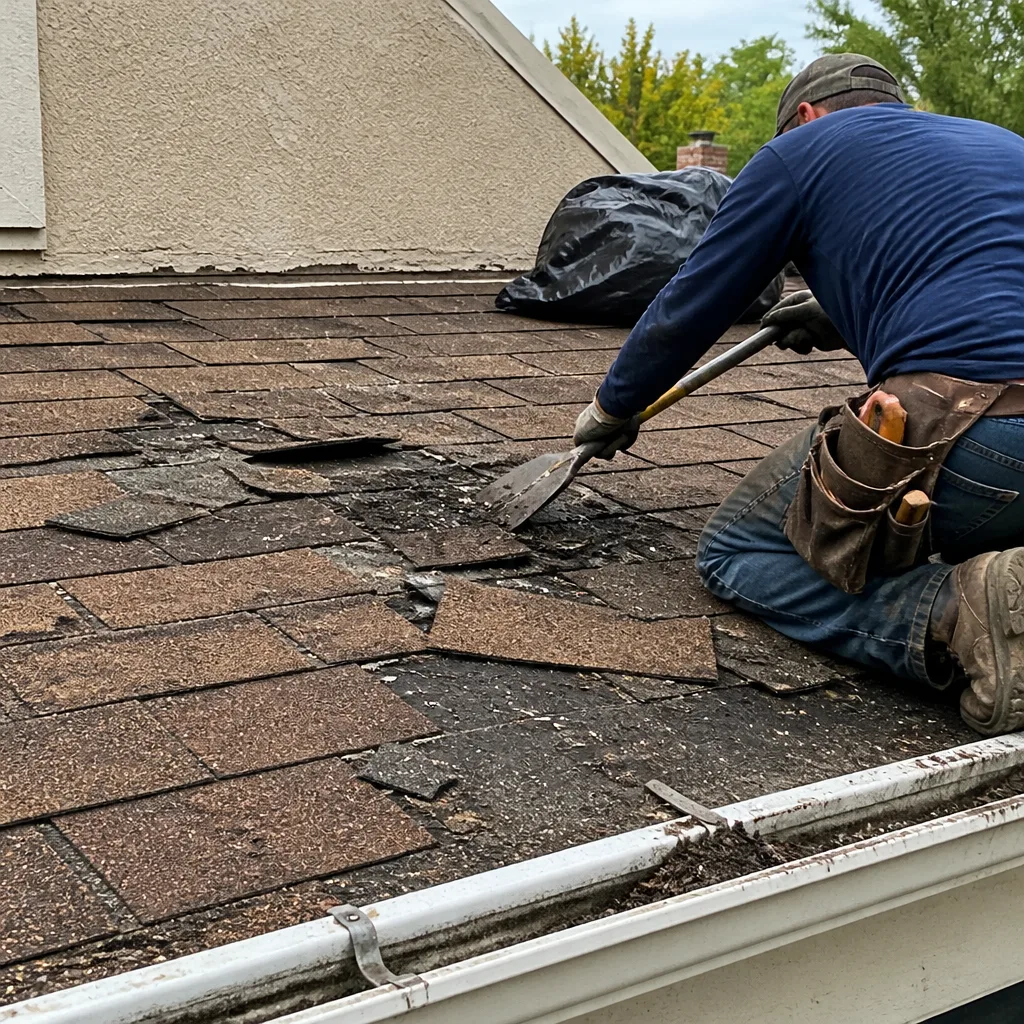 Before
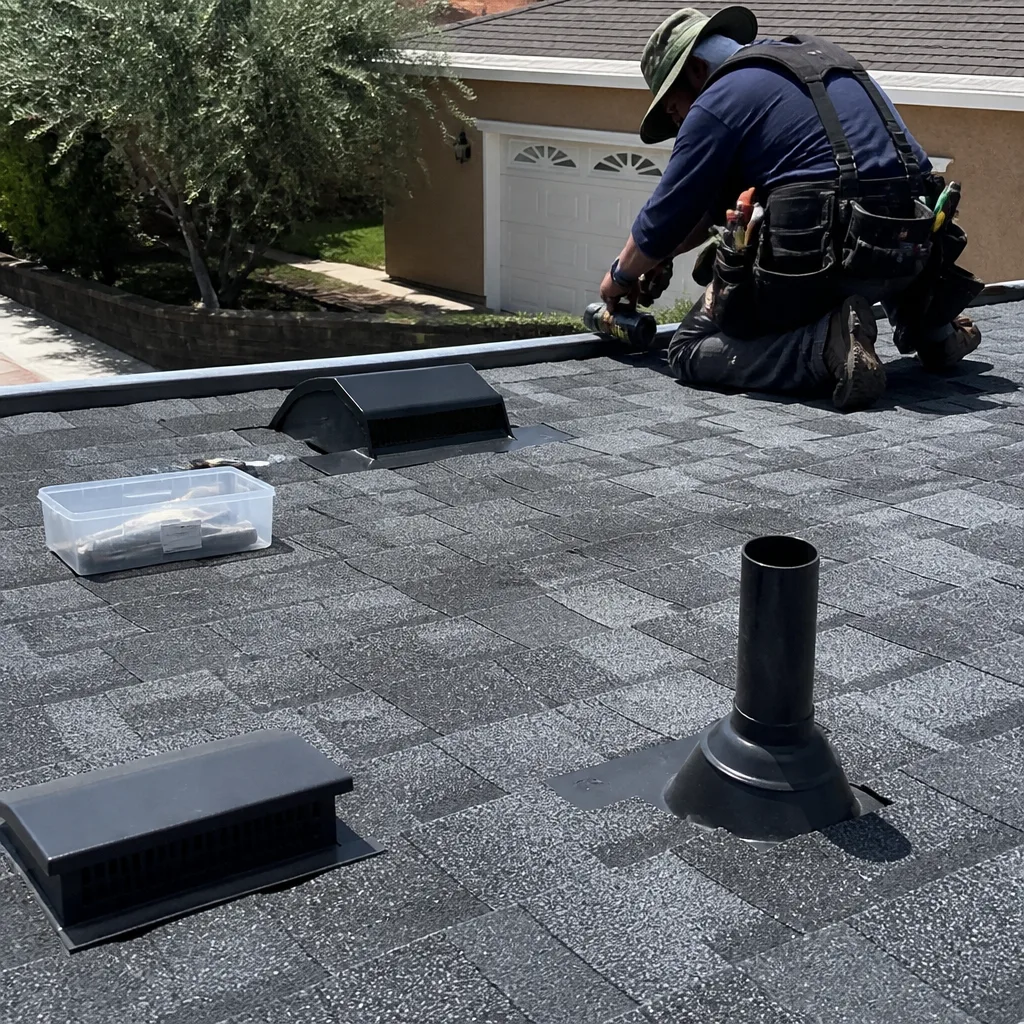 After
After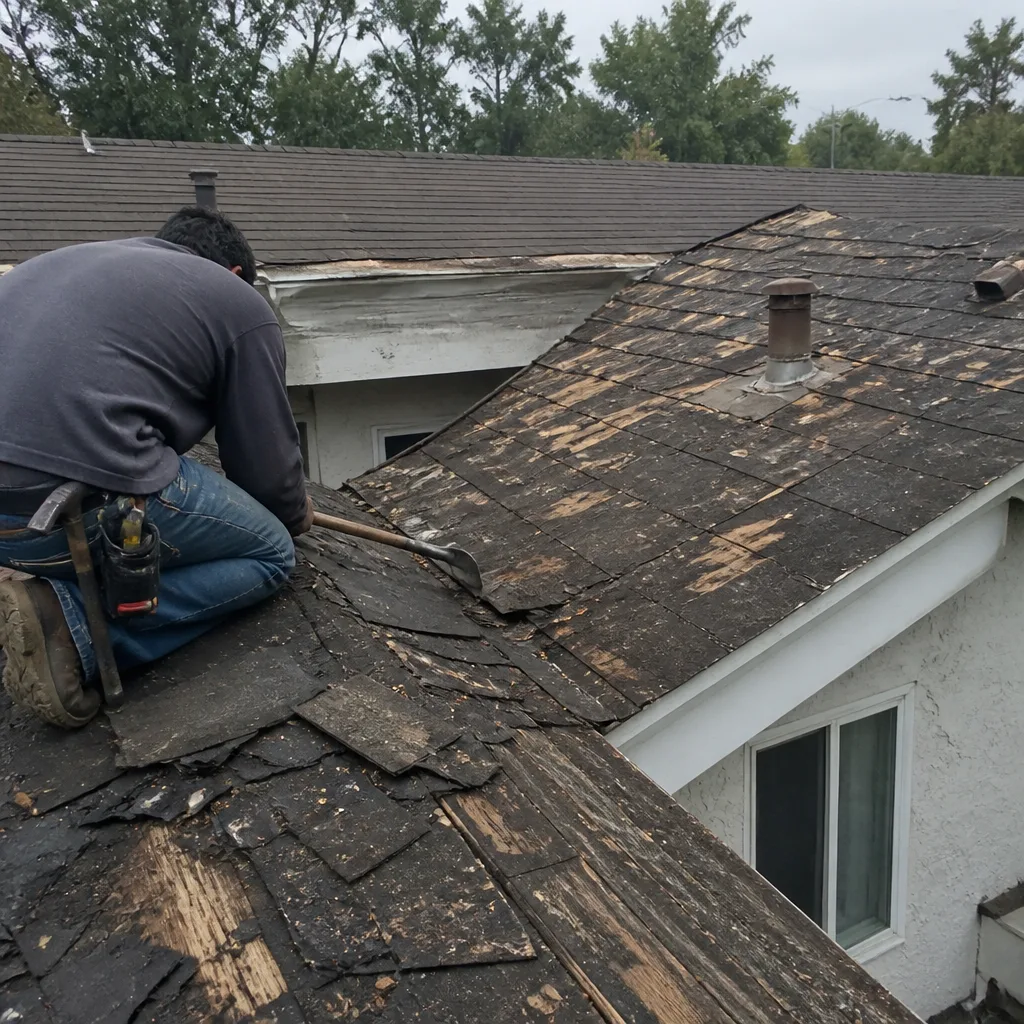 Before
 After
After Before
 After
After