
Last updated October 17, 2026
 Metal roofing
 Architectural shingles
 Tile roofing
 GAF
GAF Owens Corning
 Flat & low-slope
Free roof inspection with deck photos before we talk money - GAF and Owens Corning certified installation
Seasonal Roofing Care for Torrance: Year-Round Homeowner’s Guide
Here’s the thing most Torrance roofing advice gets wrong: our city doesn’t have four seasons the way a New England transplant would recognize them. We have four distinct roofing stress periods, and they don’t line up with spring, summer, fall, and winter in any useful way. Peak UV degradation happens during our gloriously sunny “dry season,” Santa Ana winds arrive in the fall and strip materials that sat complacent all summer, and our winter rain window is brief but intense enough to expose every small failure at once. This guide walks through each of those stress periods, what they actually do to a roof in Torrance, and the specific tasks that prevent damage before it starts.
Styles & brands we work with
Quick Answer
Seasonal roofing care in Torrance means scheduling four targeted inspections and maintenance passes per year, each timed to a specific local stress period: pre-Santa Ana debris clearance and flashing checks (September – October), winter rain window inspections (December – February), marine-layer mildew and moisture checks (March – May), and peak UV attic ventilation verification (June – August). Most Torrance homeowners can save thousands by addressing the summer heat damage that goes unnoticed until the first winter rain exposes it.
Table of Contents
- The Four Torrance Roofing Stress Periods (Not Seasons)
- Pre-Santa Ana Preparation: What Most Homeowners Skip
- Winter Rain Window: Assessing Damage Without Waiting for a Leak
- Marine-Layer Spring: The Mildew and Moisture Problem Nobody Talks About
- Peak UV Summer: Attic Ventilation and Thermal Cycling
- The Torrance Seasonal Roofing Task Calendar
- Common Mistakes to Avoid
- When to Call a Professional
- Frequently Asked Questions
- The Bottom Line
The Four Torrance Roofing Stress Periods (Not Seasons)
Torrance sits in a Mediterranean climate zone where the traditional “winterize your roof” advice from national publications falls flat. Our average annual rainfall is around 14 inches, most of it concentrated between December and February. Our summer highs regularly push into the 80s and occasionally the 90s. We get roughly 280 sunny days per year. That combination means roofs here fail differently than roofs in Portland or Chicago, and the maintenance calendar needs to reflect that reality.
The four stress periods we consistently see affect Torrance roofs are:
- Santa Ana wind season (September – November): Hot, dry winds gusting 40 – 60 mph lift shingle edges, tear flashing, and drive debris across roof surfaces. This is the period when loose materials get removed by force, not by slow deterioration.
- Winter rain window (December – February): Brief but intense rainfall events, sometimes 2 – 3 inches in a single storm, test every seal, joint, and penetration. Small gaps that existed all year become leaks within hours.
- Marine-layer spring (March – May): The “June gloom” actually starts earlier in Torrance. Persistent morning overcast and dew keep north-facing roof slopes damp for hours daily, feeding mildew, moss, and algae growth that quietly works into tile and shingle surfaces.
- Peak UV summer (June – August): Direct sun on dark roofing materials can push surface temperatures past 160°F. The daily expansion-and-contraction cycle, called thermal cycling, ages materials faster than any other single factor in Torrance.
Understanding these periods matters because each one demands different inspection focuses. If you check for the wrong thing at the wrong time, you’ll miss the damage that’s actually accumulating. A homeowner who only checks the roof after rain will never catch the UV damage that weakens materials all summer, and that’s exactly how small problems become five-figure roof repair bills in Torrance.
Pre-Santa Ana Preparation: What Most Homeowners Skip
Santa Ana winds aren’t just a fire-weather concern; they’re the single most violent force most Torrance roofs face all year. When those northeast winds channel through the canyons and hit the South Bay, they routinely gust hard enough to lift shingles, peel back flashing, and send tree branches skittering across roof surfaces. The damage is often done before the first drop of winter rain falls, which means the rain then finds every new gap the wind created.
Here’s the specific pre-Santa Ana checklist we recommend for Torrance homeowners, starting in September:
- Clear all roof debris, especially in valleys and behind chimneys. Eucalyptus leaves from the trees that line many Torrance streets are particularly problematic. They collect in valley areas, hold moisture, and their oils accelerate shingle degradation. A leaf blower from the ground or a gentle broom from the roof works. Time required: 30 – 45 minutes.
- Inspect flashing around chimneys, vents, and skylights. Flashing is the metal strips that seal the joints where roof planes meet vertical surfaces. Santa Ana winds test these seals hardest. Look for lifted edges, missing sealant, or visible gaps. This is a contractor item for safety, but a visual check from the ground with binoculars catches obvious problems.
- Re-bed loose or shifted tiles if you have a tile roof. Torrance has a substantial number of Spanish tile and concrete tile roofs. The mortar beds that hold ridge tiles in place crack over years of thermal cycling. Once the mortar fails, Santa Ana winds can lift those tiles right off. A roofing contractor should handle this; tile work at height isn’t a DIY job.
- Trim overhanging branches. A branch that taps your roof in a 20 mph summer breeze becomes a battering ram in a 50 mph Santa Ana gust. The City of Torrance has tree-trimming guidelines for homeowners, and keeping branches at least 6 – 10 feet from the roof surface prevents most impact damage.
This is the prep work that gets skipped because September in Torrance is beautiful, the sun is out, and nobody is thinking about roof failure. But every year, the first rainstorm in December exposes the damage those fall winds did, and by then the repair window is narrow and the damage has compounded.
Winter Rain Window: Assessing Damage Without Waiting for a Leak
Torrance doesn’t get the month-long rainy seasons that places like Seattle endure. What we get is concentrated: a handful of heavy storms that drop several inches of rain over 24 – 48 hours. Those storms find weaknesses fast. The challenge for homeowners is that the first visible sign of a leak, a water stain on the ceiling, can show up weeks or even months after the actual water intrusion occurred. Water travels along rafters and insulation before it finds a spot to drip through.
Here’s how to assess winter rain damage in Torrance without waiting for that interior stain:
- Check the attic within 48 hours after any rain event over 1 inch. Look for damp insulation, water marks on the underside of roof decking, or daylight visible through any crack or joint. Use a flashlight, not the attic’s bare bulb, to catch the subtle sheen of moisture.
- Watch for granule accumulation in gutters and downspouts. Asphalt shingles shed granules as they age, but a sudden increase after a rainstorm signals that water is eroding the shingle surface faster than normal. Run your hand along the gutter interior; a thick, gritty paste is a warning sign.
- Inspect ceiling paint for slow-developing discoloration. A leak that drips onto insulation and evaporates there can leave a faint yellow-brown ring on the ceiling below without ever producing a drip. Check ceilings on the top floor, especially near chimneys, skylights, and the edges of the roof.
- Check exterior walls near the roofline. Ice dams aren’t a Torrance concern, but wind-driven rain can push water up under the edge of roof shingles and down the exterior wall. Streaks or water stains below the roofline after a storm indicate a possible edge seal failure.
One thing to note about winter rain in Torrance: our storms are often followed by sunny, 70-degree days within a week. That’s actually the ideal time for a roofing company in Torrance to inspect and quote repairs. The roof is dry, the damage is fresh, and matches for materials are easier when the shingles haven’t been sitting in the sun for months. If you see any of the signs above, getting an inspection during the dry spells between storms prevents a small leak from becoming a full section replacement.
Marine-Layer Spring: The Mildew and Moisture Problem Nobody Talks About
Ask a Torrance homeowner about roof problems and you’ll hear about leaks and wind. Almost nobody mentions mildew. But our spring marine layer, that persistent morning overcast that hangs over the South Bay from March through May, creates the exact conditions that allow biological growth to take hold on roofing surfaces. North-facing slopes in particular stay damp for hours each morning, sometimes never fully drying before the next day’s fog rolls in.
The damage from that persistent moisture isn’t just cosmetic. Mildew and algae hold moisture against shingle surfaces, accelerating the breakdown of the asphalt and granules. On tile roofs, biological growth in the porous surface of clay and concrete tiles can lead to cracking when the moisture inside expands during warm afternoon sun. Over years, this cycle quietly reduces the life of the roof.
Here’s what to look for and what to do during the marine-layer months:
- Look for dark streaking on north-facing and shaded slopes. The blue-green algae Gloeocapsa magma is common on Southern California roofs. It appears as dark streaks and grows in the moist conditions of the spring marine layer. Left untreated, it spreads across the roof surface.
- Check for moss clumping at shingle edges and in valleys. Moss is less common than algae in Torrance but appears on heavily shaded roofs. Moss roots can lift shingle edges and hold standing water against the roof.
- Verify that gutters are draining, not holding water. Spring is the time to clean gutters thoroughly. Debris from the Santa Ana season and winter storms collects in gutters, and standing water in a clogged gutter overflows onto the roof edge, creating ideal conditions for moss and algae.
- Use a low-pressure wash for algae, never a pressure washer. For shingle roofs, a gentle cleaning with a bleach-and-water solution at low pressure removes algae without damaging granules. Pressure washing, with its high-pressure stream, strips granules and voids shingle warranties. This is generally a contractor task; climbing a ladder with a sprayer isn’t for everyone.
The marine layer is also the best time of year in Torrance for a general roof health check. Temperatures are moderate, the light is soft enough to spot surface irregularities, and any damage from winter is still visible. If you can only do one comprehensive inspection per year, March to May is the window that catches the most useful information.
Peak UV Summer: Attic Ventilation and Thermal Cycling
Here’s the counterintuitive part of Torrance roof care: our sunny, rain-free summers are when roofing materials sustain the most cumulative damage. It’s not the dramatic storm damage that shortens roof life; it’s the slow, repeated stress of heating and cooling. A dark asphalt shingle roof in Torrance can reach surface temperatures of 160°F or more on a 90-degree day. At night, that same surface drops into the 60s. That’s a 100-degree temperature swing every single day for months.
That daily cycle, called thermal cycling, causes shingles to expand and contract at a different rate than the wood decking beneath them. Over thousands of cycles, the bonds that hold the shingle together break down. The shingles become brittle, the adhesive strips fail, and the roof develops what looks like premature aging. A roof that’s 10 years old can have the degradation profile of a 15-year-old roof if it lacks proper ventilation.
Ventilation is the key variable. A properly ventilated attic keeps the underside of the roof decking closer to ambient temperature, reducing the thermal differential between the top and bottom of the shingle. That reduces the stress of thermal cycling and extends roof life. Here’s what to check for during Torrance’s summer months:
- Measure attic temperature on a hot afternoon. A properly ventilated attic in Torrance should stay within 15 – 20°F of the outside air temperature. If it’s 85°F outside and 130°F inside your attic, you have a ventilation problem that’s actively aging your roof.
- Check that soffit vents are unobstructed. Many Torrance homes have soffit vents, the intake vents under the eaves, that get blocked by insulation, paint, or nest debris. Intake vents are half the ventilation equation; without them, the exhaust vents can’t pull air through.
- Verify that ridge or roof vents are functioning. The exhaust side of the system needs to be clear and undamaged. On hot afternoons, you should feel warm air exiting the attic through the upper vents. No airflow means no ventilation.
- Consider whether your attic insulation covers the right areas. Insulation is the other half of attic temperature control. Torrance homes built before the 1990s often have inadequate insulation by modern standards. More insulation in the attic floor doesn’t directly help the roof, but it reduces the heat load entering the living space and stabilizes overall attic temperatures.
Summer is also the season when homeowners notice air conditioning bills creeping up. A hot attic acts as a heat reservoir that pushes into the living space below, forcing the AC to work harder. The attic ventilation check isn’t just about roof longevity; it’s about energy efficiency in Torrance’s increasingly hot summers. If your attic is running hot, the roof is aging faster than it should be, and your AC is paying for it.
The Torrance Seasonal Roofing Task Calendar
Here’s the entire year on one page. Each task is labeled with estimated time and whether it’s safe for a homeowner to do or requires a contractor. The goal is not to turn homeowners into roofers; it’s to make sure the right thing gets checked at the right time, and that when a professional is needed, the call gets made before the failure happens.
- September (Pre-Santa Ana): Clear debris from valleys and behind chimneys (45 min, DIY). Visually inspect flashing from the ground with binoculars (20 min, DIY). Trim overhanging branches (varies, DIY if reachable from the ground). Call a contractor for a pre-wind-season inspection if your roof is 10+ years old or has visible lifted shingles (contractor).
- October (Pre-Santa Ana, continued): Verify all roof penetrations, vents, skylights, and chimneys, have intact sealant (30 min, DIY visual from ground). Re-bed any loose ridge tiles on tile roofs (contractor). Clear gutters and downspouts to handle winter rains (1 – 2 hours, DIY if comfortable on a ladder).
- November (Santa Ana peak): After any major wind event, walk the property and look for lifted shingles or tile displacement (15 min, DIY from ground). Check for debris accumulation from fallen branches (30 min, DIY).
- December (Winter rain window begins): After the first significant rain, check attic for moisture or damp insulation (30 min, DIY). Inspect ceilings for early water stains (15 min, DIY). Confirm gutters are flowing freely during rain (10 min, DIY from ground).
- January (Winter rain continues): After any storm over 1 inch, repeat attic and ceiling checks (45 min, DIY). Inspect exterior walls below the roofline for water streaking (20 min, DIY). Call a contractor for any signs of water intrusion (contractor).
- February (Winter rain window ends): Schedule professional repair work if any winter damage was identified (contractor). Clean gutters after the rain season (1 hour, DIY).
- March (Marine layer begins): Look for dark streaking on north-facing slopes indicating algae growth (15 min, DIY). Check for moss clumping at shingle edges (10 min, DIY). Schedule the annual comprehensive inspection while light and weather conditions are ideal (contractor).
- April (Marine layer continues): Address any algae or moss growth with low-pressure cleaning (contractor). Verify that gutters and downspouts are draining properly (20 min, DIY).
- May (Marine layer ends): Confirm all roof surfaces are fully dry by midday; persistent dampness indicates drainage or shading issues (10 min, DIY observation).
- June (Peak UV begins): Measure attic temperature on a hot afternoon to establish a baseline (15 min, DIY). Verify soffit vents are unobstructed (30 min, DIY from attic).
- July (Peak UV continues): Check that exhaust vents are passing warm air (15 min, DIY from attic). Note any AC efficiency changes as a possible indirect sign of attic heat buildup (ongoing, DIY observation).
- August (Peak UV ends): Final attic temperature check to compare with June baseline (15 min, DIY). If attic temps exceed outside air by more than 20°F, schedule a ventilation consultation (contractor).
Save or print this calendar. Tape it to the garage wall. The cost of these tasks, most of which are free observation time, is dramatically lower than the cost of the damage they prevent. And when a task is labeled contractor, that’s not a suggestion to hire a roofing professional on a good day; it’s a safety line. Working at height, on a sloped surface, with power tools, is a genuinely dangerous combination. Every year, homeowners are seriously injured trying to do roof work that should have been left to a trained technician.
Common Mistakes to Avoid
- Only inspecting the roof after it rains. In Torrance, the damage that causes winter leaks happens in summer and fall. If the only time you look at the roof is when water appears indoors, you’re always reacting instead of preventing, and reacting always costs more.
- Treating summer as the “safe” season for the roof. Peak UV months in Torrance are when materials age fastest. The hot, dry days feel harmless, but thermal cycling is doing damage every single afternoon. Attic ventilation checks need to happen in July, not December.
- Pressure-washing an asphalt shingle roof. The high-pressure stream strips the protective granules off shingles and voids manufacturer warranties. Algae removal on shingle roofs needs low pressure and the right cleaning solution, done by someone who knows the difference.
- Ignoring Santa Ana wind damage until winter rain exposes it. After a fall windstorm, shingles that lifted and re-seated can look fine from the ground but no longer seal properly. A professional inspection after wind events catches these partial failures before rain turns them into leaks.
- Cleaning gutters only once per year. In Torrance, gutters need attention in October before the rains and again in February after the rain season ends. The trees that drop leaves and eucalyptus debris in the fall keep dropping through January.
- Sealing roof penetrations with the wrong materials. Not all sealants work on all roofing materials. Using a silicone caulk on a roof surface that expands and contracts with daily thermal cycling can cause the sealant to fail within a year. Roofing sealants are material-specific; when in doubt, have a contractor handle it.
- Delaying a repair because there’s no visible leak yet. Water intrusion starts small and travels. By the time a stain shows on a ceiling, the water has been working its way through the roof assembly for weeks or months. Early intervention, based on roof-level and attic-level signs, is always cheaper and less invasive.
When to Call a Professional
Some roof work is genuinely safe for a homeowner to do: visual checks from the ground, attic inspections, gutter cleaning from a stable ladder, branch trimming within reach. But a significant portion of seasonal roof maintenance requires training, safety equipment, and experience that homeowners don’t have, and shouldn’t try to acquire from a YouTube video. If you see lifted shingles, cracked tiles, failing sealant at roof penetrations, or signs of water intrusion in the attic, the right move is to make the call. Mercer Roofing Co Torrance offers free estimates throughout Torrance, and we’ll give you a written price before any work starts. Call (424) 435-5428 to schedule an inspection.
When a technician arrives at your door, you should know who they are before you open it. That’s not an unreasonable expectation; it’s the standard every Torrance homeowner should hold. Every Mercer technician is background-checked, identity-verified, and badged under the Threshold Verified standard. We send a photo of the technician before they arrive, and they present a photo ID badge at the door. Your home deserves that level of certainty, whether you’re scheduling a simple inspection or a full roof installation in Torrance.
Frequently Asked Questions
A professional seasonal roof inspection in Torrance typically costs between $150 and $350 depending on roof size, height, and material type, though many roof repair companies in Torrance credit the inspection fee toward any repair work that follows. A comprehensive maintenance visit that includes minor repairs like sealant touch-ups or flashing adjustment runs $350 to $800. At Mercer Roofing Co Torrance, every project starts with a written price, so you’ll know the exact cost before any work begins. Call (424) 435-5428 for an exact quote; estimates are free.
Replacement in Torrance makes sense when the cost of continuing repairs over the next 2 – 3 years exceeds the cost of a new roof, or when the roof has reached 80% or more of its expected service life, which for asphalt shingles in Torrance’s UV-heavy climate is about 15 – 20 years even for quality brands like GAF, CertainTeed, or Owens Corning. If your attic inspections show widespread granule loss, multiple flashing failures, or decking that’s showing signs of water damage, it’s time to get a full roof assessment rather than continuing to patch individual problems.
Marine-layer moisture does real structural damage over time in Torrance. The organisms that grow in persistent damp conditions, primarily algae and mildew, hold moisture against the roof surface and work into the porous structure of shingles and tiles, accelerating material breakdown. On tile roofs, the growth is especially problematic because moisture absorbed into clay and concrete tiles expands during warm afternoons, causing micro-cracking that shortens tile life. Treating it isn’t about appearances; it’s about preventing the roof from aging faster than it should.
Measure your attic temperature on a hot afternoon between 2 and 4 p.m. If the attic is more than 15 – 20°F hotter than the outside air, your ventilation system is underperforming for Torrance’s peak UV conditions and your roof is aging faster than necessary. You should also verify that soffit vents are clear of insulation and debris, and that ridge or roof vents are allowing warm air to escape. If you’re unsure what to look for, a professional inspection can measure and diagnose the system in under an hour.
First, identify the source by checking the roof decking directly above the wet area for a visible gap, crack, or water path, then contain the moisture with a bucket or tarp to prevent further spread to insulation and drywall. Second, call a roofing contractor to assess and quote the repair. Third, if the moisture has been sitting long enough to cause visible mold growth, address the mold separately from the roof repair. Waiting for a second rainstorm to confirm the leak is how small repairs become full section replacements.
For most homeowners, walking on a roof is not safe, especially on tile roofs where the tiles are brittle and break under foot traffic, or on steep-pitch roofs common in some Torrance hillside neighborhoods. A fall from even a single-story roof can cause serious injury. The safe division of labor is this: homeowners handle everything from the ground and from inside the attic; contractors handle everything that requires being on the roof surface. If you’re on a ladder and feel uncomfortable at any point, climb down and call a professional. Every Mercer technician is trained in roof safety protocols, and we’d rather spend an hour on an inspection than have a homeowner spend a week in the hospital.
The Bottom Line
Torrance roofs fail on a schedule that has nothing to do with the four seasons. They fail when Santa Ana winds rip loose materials in the fall, when winter rainstorms expose every weakness the winds created, when marine-layer moisture feeds biological growth in the spring, and when summer UV and thermal cycling age materials day after day. A homeowner who understands these four stress periods and acts on them, clearing debris before the winds, checking the attic after the rains, addressing algae during the marine layer, and verifying ventilation during the heat, can add years to a roof’s life and avoid the five-figure replacement that comes from neglect. And when a professional is needed, choose one that treats your home and your safety with the same care you do. Mercer Roofing Co Torrance will answer your call with a live person, send a background-checked, photo-badged technician you can verify at the door, and put every price and guarantee in writing before work starts. Call (424) 435-5428 to schedule your free estimate.
Written by Grant Whitlock, Owner at Mercer Roofing Co Torrance, serving Torrance since 2000.
See the difference
 Before
 After
After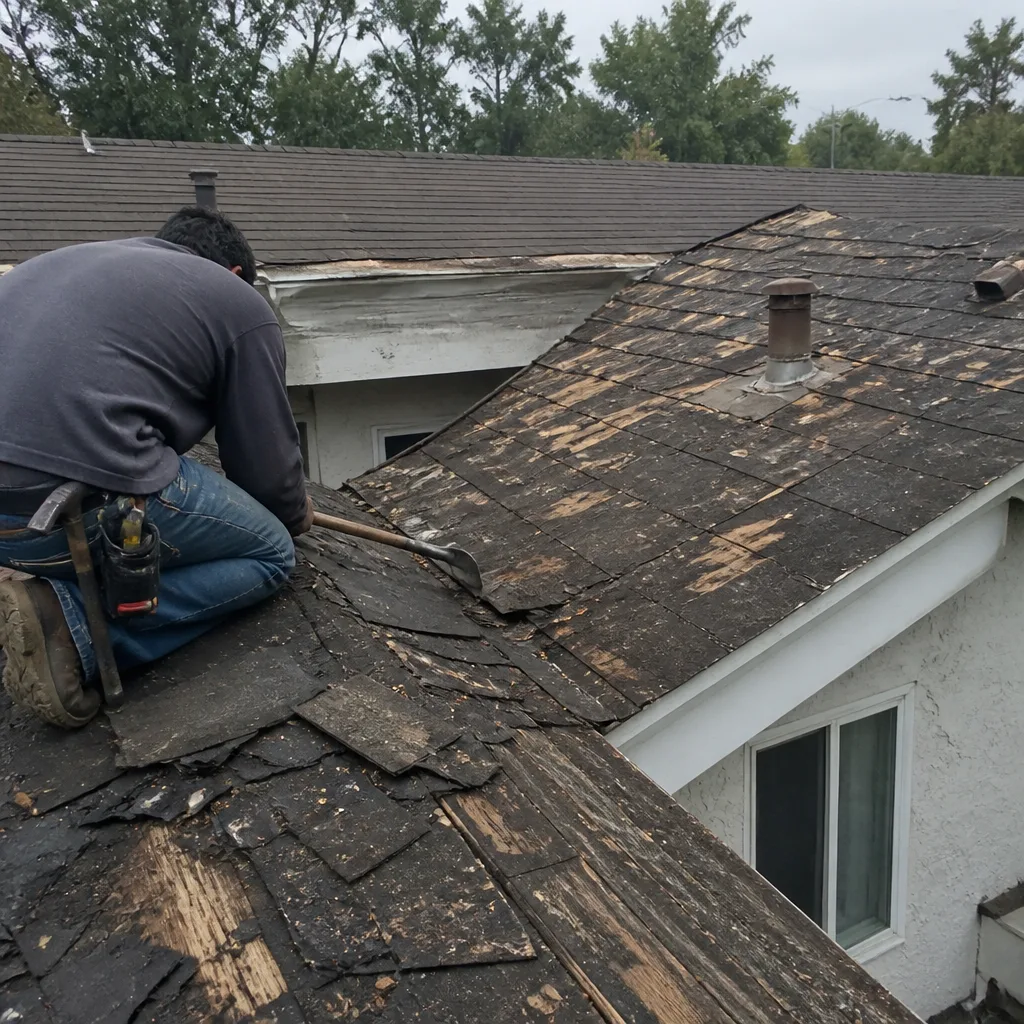 Before
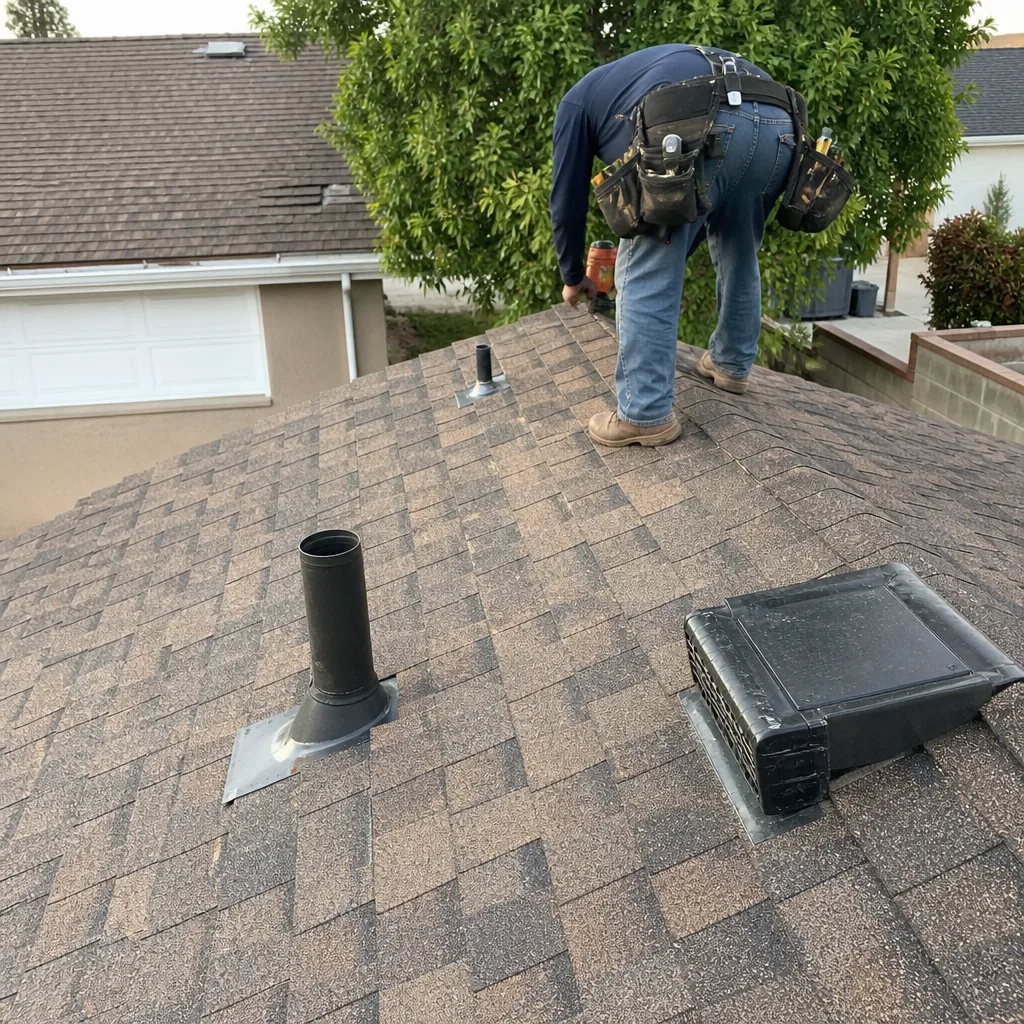 After
After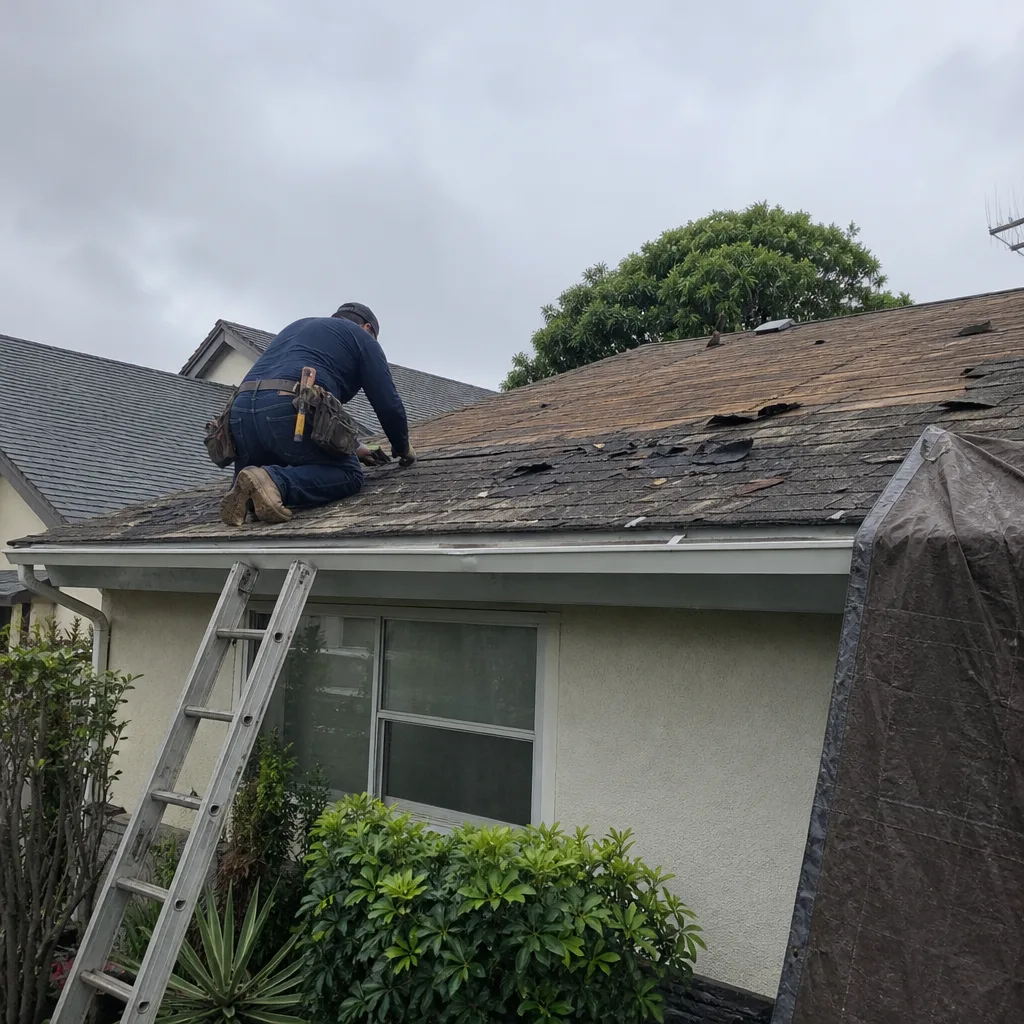 Before
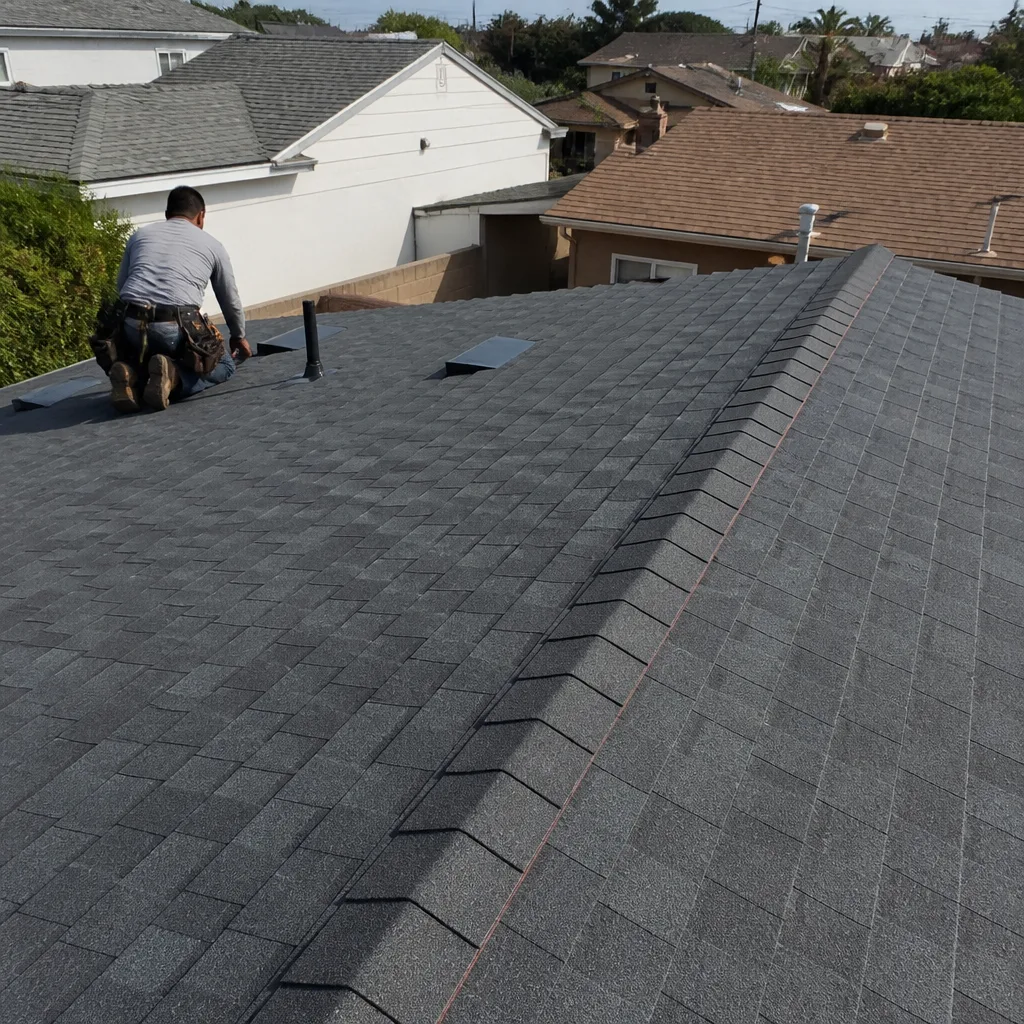 After
After